
What Is an EMG Test? | Unity Pain Modesto CA
- Home
- What Is an EMG Test? | Unity Pain Modesto CA
What Is an EMG Test? | Unity Pain Modesto CA
Understanding the EMG Test: What to Expect and Why It Matters
If you have been living with pain, numbness, or weakness in your arms or legs, your doctor may have mentioned an EMG test. Hearing about a new test can feel overwhelming, especially when you are already dealing with so much. You are not alone in feeling nervous or confused. The good news is that an EMG test is a helpful tool that gives doctors a clearer picture of what is happening inside your body — and that information can be the first step toward finding real relief.
This article will walk you through what an EMG test is, how it works, and why it might be recommended for you. Knowledge is power, and understanding your care can help you feel more in control of your health journey.
What Does EMG Stand For?
EMG stands for electromyography. It is a diagnostic test that measures the electrical activity of your muscles and the nerves that control them. Muscles and nerves communicate using electrical signals. When something goes wrong — like a pinched nerve or muscle damage — those signals can change in ways that a trained specialist can detect and interpret.
An EMG test is almost always done alongside another test called a nerve conduction study (NCS). These two tests work together. The nerve conduction study checks how fast and how well electrical signals travel through your nerves. Together, EMG and NCS give doctors a full picture of how your muscles and nerves are functioning.
Why Would a Doctor Order an EMG?
Doctors order EMG tests when a patient has symptoms that might point to a nerve or muscle problem. Common reasons include:
- Numbness or tingling in the hands, feet, arms, or legs
- Muscle weakness that is getting worse over time
- Burning or shooting pain that travels down an arm or leg
- Muscle cramping or twitching
- Suspected carpal tunnel syndrome
- Back or neck pain with nerve symptoms
These symptoms can have many different causes. An EMG test helps narrow things down. It can help confirm or rule out conditions like peripheral neuropathy, radiculopathy (a pinched nerve in the spine), carpal tunnel syndrome, or muscle diseases. Getting the right diagnosis means you can get the right treatment — not just guesses.
What Happens During an EMG Test?
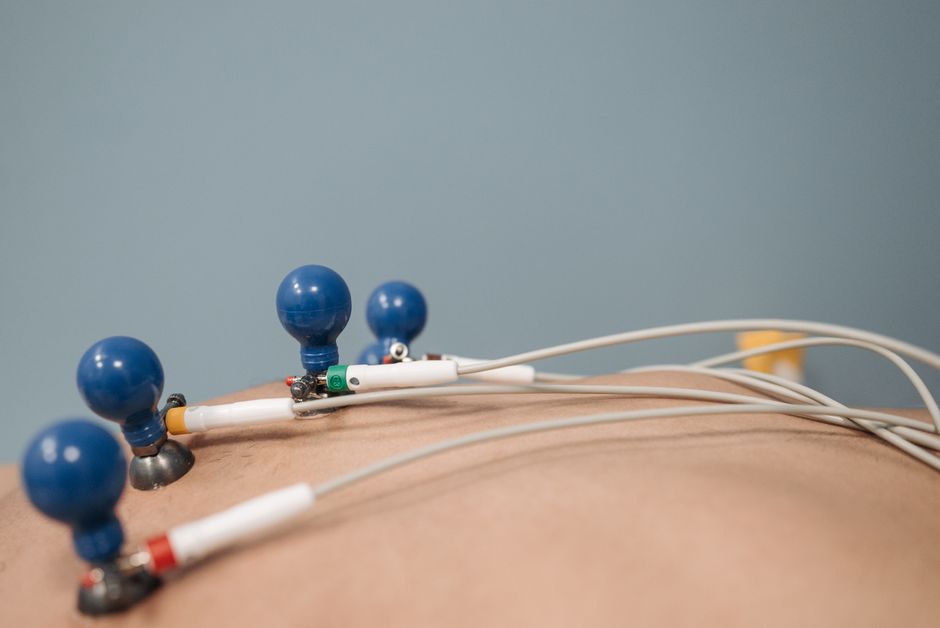
An EMG test is done by a specially trained doctor, often a neurologist or a physiatrist. The test has two parts. During the nerve conduction study, small electrode patches are placed on your skin. A tiny electrical pulse is sent through the nerve. You may feel a mild shock or tingling sensation. It is brief and usually well-tolerated, though some people find it mildly uncomfortable.
The second part is the EMG itself. A very thin needle electrode is gently inserted into specific muscles. You may be asked to relax the muscle and then contract it slightly. The needle picks up the electrical signals your muscle makes. You might feel some discomfort during this part, similar to a small pinch or brief muscle soreness. Most people find the test manageable, and the specialist will do their best to keep you comfortable throughout.
How Should You Prepare for an EMG?
Preparing for an EMG is simple. Here are a few tips that can help your test go smoothly:
- Shower and wash the area before the test — clean skin helps the electrodes attach properly.
- Skip lotions or oils on your skin the day of the test.
- Wear loose, comfortable clothing so the technician can easily access the areas being tested.
- Tell your doctor if you take blood thinners or have a pacemaker before your appointment.
- Eat and drink normally — there is no need to fast before an EMG.
After the test, you might have some mild muscle soreness or small bruises at needle sites. This usually fades within a day or two. Most people are able to return to their normal activities right after the appointment.
What Can an EMG Tell Your Care Team?
An EMG test gives your care team important details they simply cannot get from an X-ray or MRI alone. It shows whether your symptoms are coming from a nerve problem, a muscle problem, or both. It can also show how severe the problem is and whether it is getting better or worse over time. This information directly shapes your treatment plan.
For example, if the test shows a pinched nerve in your spine, your doctor might recommend physical therapy, targeted injections, or other spine-focused treatments. If the results point to carpal tunnel syndrome, there are specific treatments that work well for that condition. At a clinic like Unity Pain Management in Modesto, CA, this kind of detailed information helps the care team create a plan that is tailored to your exact needs — not a one-size-fits-all approach.
Taking the Next Step Toward Answers
Living with pain, numbness, or weakness without knowing why can be exhausting and discouraging. An EMG test is one important piece of the puzzle. It will not give you all the answers by itself, but it can give your doctors the information they need to point you in the right direction. No test can guarantee a specific outcome, but getting the right diagnosis is a meaningful step forward.
If you have been told you might need an EMG, or if you are struggling with unexplained nerve or muscle symptoms, reaching out to a pain management team is a good place to start. Unity Pain Management in Modesto, CA accepts most insurance plans and offers compassionate, comprehensive care for people living with chronic and acute pain. You deserve answers. You deserve support. And you do not have to figure this out alone.
References
- Preston, David C. and Shapiro, Barbara E. Electromyography and Neuromuscular Disorders. Elsevier. 2021.
- National Institute of Neurological Disorders and Stroke. “Electromyography.” National Institutes of Health. 2023.
- Mayo Clinic Staff. “EMG (Electromyography).” Mayo Clinic. 2022.
- Dumitru, Daniel. “Electrodiagnostic Medicine.” Physical Medicine and Rehabilitation Clinics of North America. 2018.
- American Association of Neuromuscular and Electrodiagnostic Medicine. “About Electrodiagnostic Medicine.” AANEM. 2023.
Take back control of your life from pain.
Unity Pain Management offers personalized, evidence-based care in Modesto CA. In-person and telehealth options available. Most insurance accepted.
Call us at (350) 216-5774 — Unity Pain Management, Modesto CA
- Share
