
Tennis Elbow Injection Treatment | Unity Pain Modesto
- Home
- Tennis Elbow Injection Treatment | Unity Pain Modesto
Tennis Elbow Injection Treatment | Unity Pain Modesto
When Your Elbow Won’t Stop Hurting
If you have tennis elbow, you know how much it can take over your daily life. Something as simple as lifting a coffee cup, shaking someone’s hand, or typing at a keyboard can send sharp pain shooting through your arm. You may have tried rest, ice, and over-the-counter pain relievers — and still found little relief. That kind of ongoing pain is exhausting, and it is completely understandable to feel frustrated.
Tennis elbow, known medically as lateral epicondylitis, is one of the most common causes of elbow pain in adults. It affects the tendons that connect your forearm muscles to the bony bump on the outside of your elbow. While the name suggests it only happens to athletes, most people who develop it have never picked up a racket. Repetitive hand, wrist, and arm motions from work or everyday activities are usually the real cause. The good news is that there are treatment options that may help you feel better and get back to the things you love.
What Is Tennis Elbow?
Tennis elbow happens when the tendons in your elbow become overloaded, usually from repeated motions of the wrist and arm. Over time, this causes tiny tears in the tendon tissue, leading to pain and tenderness on the outside of the elbow. The pain can also travel down the forearm and into the wrist.
Anyone who performs repetitive arm motions is at risk. Painters, plumbers, cooks, carpenters, and people who use computers for long hours are commonly affected. The condition is most common in adults between the ages of 30 and 50. For many people, symptoms come on gradually and worsen over weeks or months before they seek help.
Because the tendons in this area have a limited blood supply, they can be slow to heal on their own. That is why many people find that rest alone does not always solve the problem. Understanding what is happening in your elbow is the first step toward finding the right care.
How Are Injections Used to Treat Tennis Elbow?
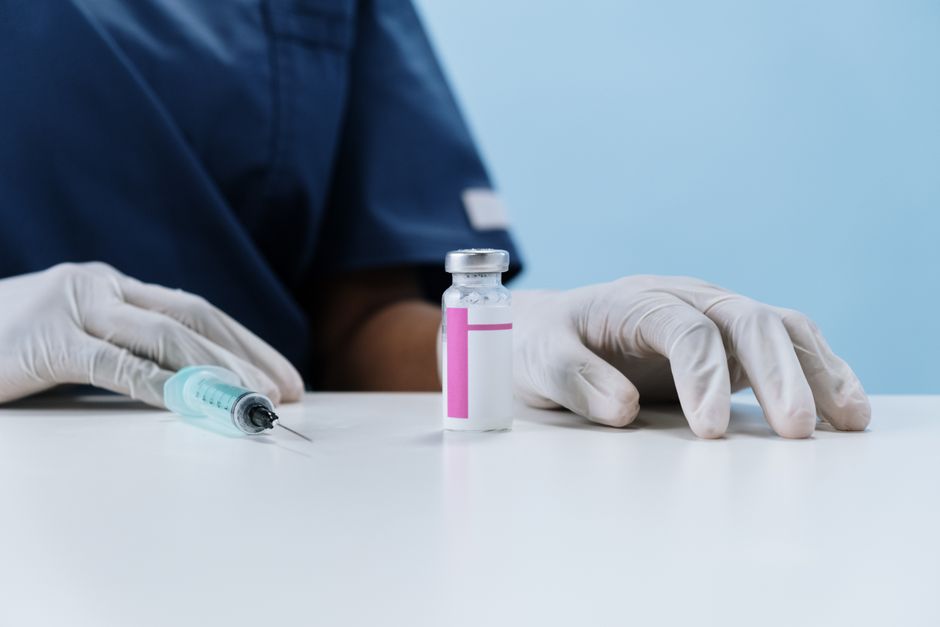
When rest, physical therapy, and over-the-counter treatments have not provided enough relief, injection therapy is often considered. Injections work by delivering medicine directly to the area where pain is coming from. This targeted approach can reduce inflammation and pain more effectively than oral medications in some cases.
One of the most common types used is a corticosteroid injection. This type of injection delivers a strong anti-inflammatory medicine right into the painful tissue around the elbow. It may help reduce swelling and pain, though results can vary from person to person. Another option is a trigger point injection, which targets tight, knotted muscle areas in the forearm that can contribute to elbow pain. Some providers also use Toradol injections, a non-steroidal anti-inflammatory medication given by injection, to help manage acute pain flare-ups.
It is important to know that injections are not a cure, and no treatment can guarantee complete pain relief. They are often most effective when used as part of a broader treatment plan that may include physical therapy and activity modification. A qualified provider can help you decide which type of injection, if any, is right for your situation.
What to Expect During and After an Injection
If you and your provider decide that an injection is a good option, the procedure itself is typically quick. Most elbow injections are performed in an office setting and take only a few minutes. Your provider will clean the skin, may apply a numbing agent, and then carefully place the needle in the target area. Some people feel brief discomfort during the injection, but many describe it as very tolerable.
After the injection, it is normal to have some soreness at the injection site for a day or two. Your provider will give you specific instructions about activity after the procedure. Many people are advised to avoid heavy use of the arm for a short period to allow the medication to work. Some people notice improvement within a few days, while for others it may take a week or more.
Following up with your provider after an injection is important. They will want to know how you responded and whether additional treatment steps are needed. Ongoing communication with your care team helps make sure your treatment plan is working as well as possible for you.
The Role of Physical Therapy
Injections can help calm pain and inflammation, but strengthening and stretching the affected tendons over time is also an important part of recovery. Physical therapy can teach you exercises that build up the muscles around the elbow, reduce strain on the tendon, and help prevent the injury from coming back.
A physical therapist can also look at the way you perform tasks at work or home and suggest changes that take stress off the elbow. Simple adjustments in how you grip tools, type, or lift objects can make a big difference over time. Your pain management provider can refer you to a physical therapist as part of your overall care plan.
Getting Evaluated at Unity Pain Management
If elbow pain has been holding you back, you do not have to keep pushing through it alone. At Unity Pain Management in Modesto, CA, a caring team can evaluate your symptoms and help you explore treatment options that fit your needs and lifestyle. Services include joint injections, trigger point injections, Toradol injections, medication management, and physical therapy referrals — all under one roof.
Unity Pain Management works with most insurance plans, making it easier to get the care you deserve without added financial stress. Telehealth visits are also available for your convenience. Whether you are dealing with a recent flare-up or have been struggling with elbow pain for a long time, reaching out for a professional evaluation is a meaningful first step.
You Deserve Relief
Living with tennis elbow can wear you down, but there is real hope. Many people find meaningful improvement with the right combination of treatments. The key is getting a proper evaluation so your care can be tailored to your specific situation. You have already shown strength by managing this pain — now let a qualified team help you find a path forward.
You do not have to accept pain as your new normal. Reach out, ask questions, and take that first step toward feeling better. Relief may be closer than you think.
References
- Bisset, Leanne, and Bill Vicenzino. “Physiotherapy Management of Lateral Epicondylalgia.” Journal of Physiotherapy. 2015.
- Calfee, Ryan P., et al. “Management of Lateral Epicondylitis: Current Concepts.” Journal of the American Academy of Orthopaedic Surgeons. 2008.
- Mayo Clinic Staff. “Tennis Elbow.” Mayo Clinic. 2023.
- National Institute of Arthritis and Musculoskeletal and Skin Diseases. “Tennis Elbow.” National Institutes of Health. 2023.
- Smidt, Nynke, et al. “Corticosteroid Injections, Physiotherapy, or a Wait-and-See Policy for Lateral Epicondylitis.” The Lancet. 2002.
Take back control of your life from pain.
Unity Pain Management offers personalized, evidence-based care in Modesto CA. In-person and telehealth options available. Most insurance accepted.
Call us at (350) 216-5774 — Unity Pain Management, Modesto CA
- Share
