
Plantar Fasciitis Injections | Unity Pain Modesto CA
- Home
- Plantar Fasciitis Injections | Unity Pain Modesto CA
Plantar Fasciitis Injections | Unity Pain Modesto CA
Living With Heel Pain Is Hard — But Help Is Available
If you have ever taken your first steps out of bed in the morning and felt a sharp, stabbing pain in your heel, you are not alone. Plantar fasciitis is one of the most common causes of heel pain in adults. For many people, it starts as a minor annoyance. Over time, it can make simple things like walking to the kitchen, standing at work, or enjoying a short walk feel almost impossible. Living with that kind of daily pain wears you down — physically and emotionally.
The good news is that plantar fasciitis is a well-understood condition, and there are real treatment options that can help. One of those options is injections, which a pain specialist can discuss with you after a proper evaluation. This article will walk you through what plantar fasciitis is, why it causes so much pain, and what injection-based treatments may look like for the right patients.
What Is Plantar Fasciitis?
The plantar fascia is a thick band of tissue that runs along the bottom of your foot. It connects your heel bone to your toes and helps support the arch of your foot. When this tissue gets irritated or inflamed — often from overuse, too much standing, tight calf muscles, or unsupportive shoes — the condition is called plantar fasciitis.
The pain is usually worst with the first steps of the day or after sitting for a long time. That is because the tissue tightens up when you rest, and then gets stretched suddenly when you stand. Over time, small tears in the fascia can make the pain more persistent and harder to manage with rest alone. Some people struggle with plantar fasciitis for months or even years before finding lasting relief.
When Should You Consider Injections?
Most people with plantar fasciitis try conservative treatments first — things like stretching, physical therapy, supportive footwear, and over-the-counter pain relievers. These approaches help many patients. However, when the pain continues after weeks or months of trying these options, injections may be worth discussing with your doctor.
Injections are not the right choice for everyone, and they should always follow a professional evaluation. A pain specialist will look at your history, symptoms, and how you have responded to other treatments before recommending any injection. The goal is always to find what is safest and most effective for you specifically — not a one-size-fits-all approach.
Types of Injections Used for Plantar Fasciitis
There are several types of injections that doctors may consider for plantar fasciitis pain. The most common is a corticosteroid injection, sometimes called a cortisone shot. This delivers a powerful anti-inflammatory medication directly into the painful area near the heel. It can help reduce swelling and ease pain, often providing relief that allows patients to better participate in physical therapy and stretching.
Another option some providers discuss is a platelet-rich plasma (PRP) injection. This uses a small sample of the patient’s own blood, processed to concentrate growth factors, and then injected into the affected tissue. Research on PRP for plantar fasciitis is still evolving, and it is not right for every patient. A third option is a trigger point injection, which may be considered when tight muscle knots in the calf or foot contribute to heel pain. Your provider can help you understand which option, if any, fits your situation.
What to Expect During and After an Injection
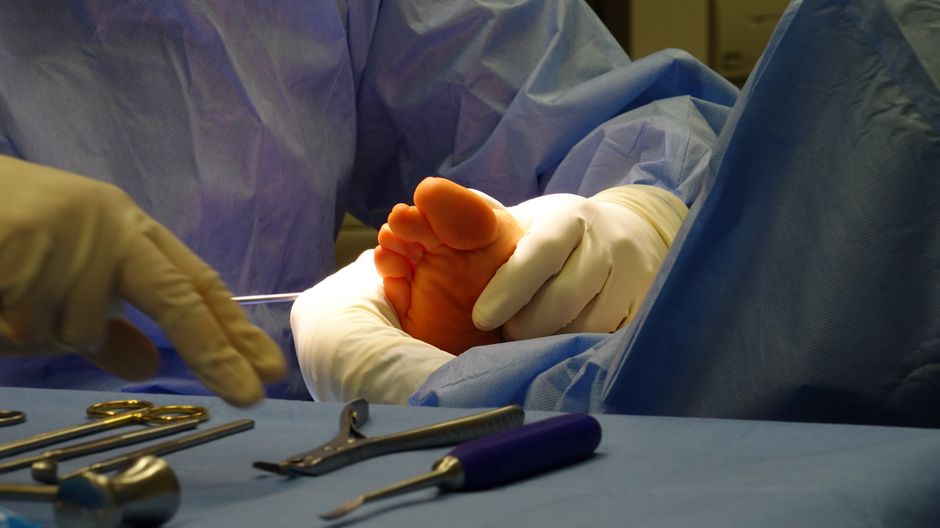
Most plantar fasciitis injections are done right in a clinic setting. The procedure is usually quick. The skin is cleaned, and the provider uses a fine needle to deliver the medication into the targeted area. Some patients feel brief discomfort during the injection, but most people tolerate it well. In some cases, ultrasound guidance is used to make sure the medication goes exactly where it is needed.
After a corticosteroid injection, some patients notice a temporary increase in pain for a day or two — this is sometimes called a “cortisone flare.” Icing the area and resting can help during this short period. Improvement, if it occurs, often develops over several days to a few weeks. It is important to follow your provider’s instructions after any injection and to continue with stretching and any recommended physical therapy to support your recovery.
Important Things to Know About Injection Safety
Injections for plantar fasciitis are generally considered safe when performed by a trained provider, but like any medical procedure, they do carry some risks. Repeated corticosteroid injections into the same area are typically limited because too many injections over time can weaken the plantar fascia tissue and potentially increase the risk of a tear. Your provider will help you weigh the benefits and risks based on your individual health history.
It is also important to understand that injections are usually one part of a broader treatment plan — not a standalone cure. Combining injections with stretching, physical therapy, proper footwear, and sometimes activity modification gives patients the best chance of meaningful, longer-lasting improvement. Always be open with your provider about your full health history, any medications you take, and your goals for treatment.
Finding Care You Can Trust in Modesto
If heel pain has been slowing you down and you are wondering whether injections might help, the most important first step is talking to a pain specialist who will truly listen to you. At Unity Pain Management in Modesto, CA, the team works with patients dealing with all types of musculoskeletal and chronic pain — including plantar fasciitis. Services include joint injections, trigger point injections, medication management, physical therapy referrals, and telehealth visits, all in an insurance-friendly environment.
You deserve care that takes your pain seriously. Plantar fasciitis can be frustrating and discouraging, especially if you have been dealing with it for a long time. But with the right evaluation and a personalized treatment plan, many people do find meaningful relief. Do not give up — help is closer than you think.
References
- Trojian, Thomas and Tucker, Alison K. “Plantar Fasciitis.” American Family Physician. 2019.
- Kamel, Manal and Kotob, Heba. “High Frequency Ultrasonographic Findings in Plantar Fasciitis and Assessment of Local Steroid Injection.” Journal of Rheumatology. 2000.
- Goff, James D. and Crawford, Robert. “Diagnosis and Treatment of Plantar Fasciitis.” American Family Physician. 2011.
- National Institute of Arthritis and Musculoskeletal and Skin Diseases. “Heel Pain (Plantar Fasciitis).” National Institutes of Health. 2023.
- Pollack, Yisrael et al. “Platelet-Rich Plasma Injections for the Treatment of Plantar Fasciitis: Review of the Literature.” Journal of the American Podiatric Medical Association. 2021.
Take back control of your life from pain.
Unity Pain Management offers personalized, evidence-based care in Modesto CA. In-person and telehealth options available. Most insurance accepted.
Call us at (350) 216-5774 — Unity Pain Management, Modesto CA
- Share
