
Understanding Hip Injections and Relief Outcomes
- Home
- Understanding Hip Injections and Relief Outcomes
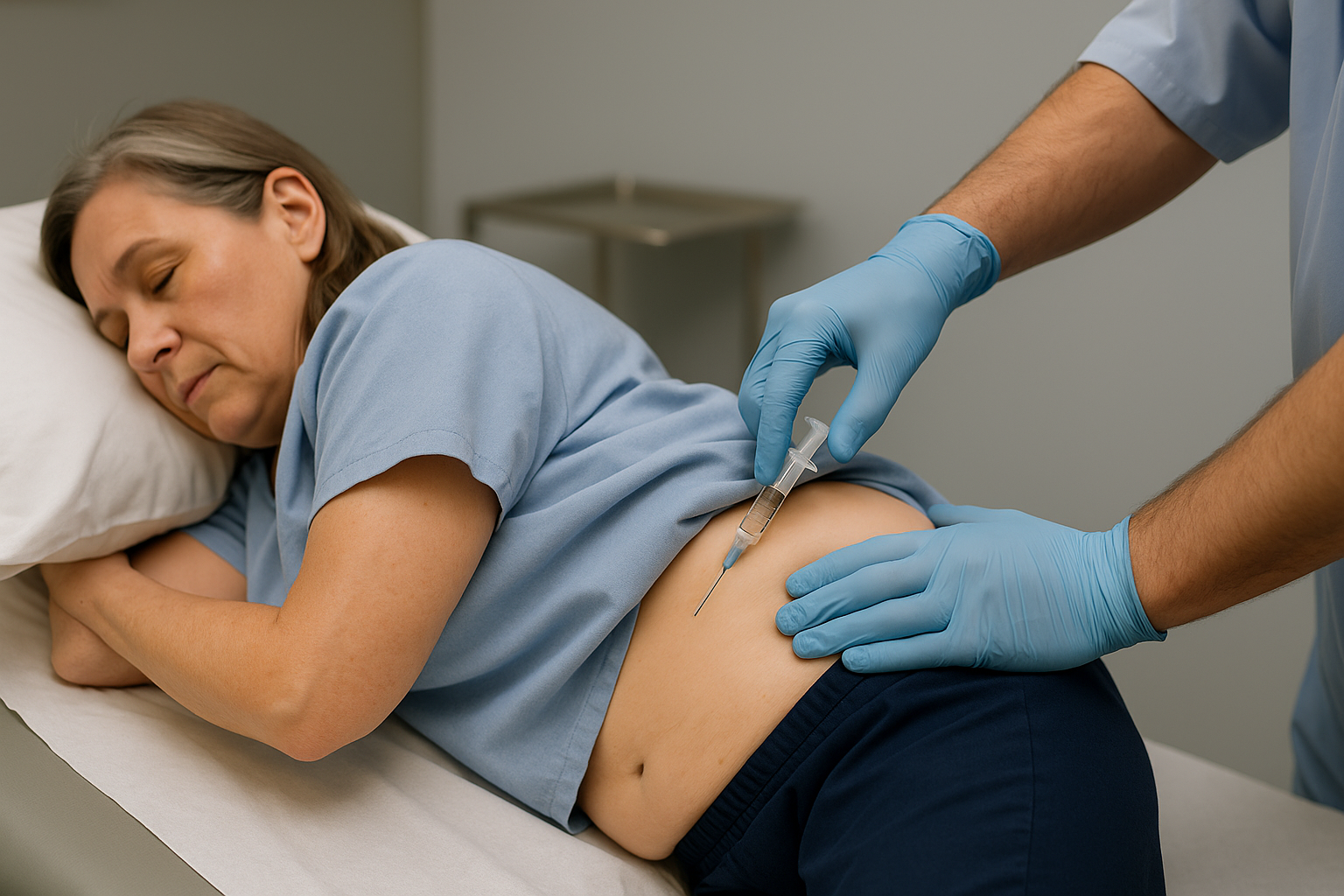
Understanding Hip Injections and Relief Outcomes
By Unity Pain Management
Hip pain can be more than just an inconvenience—it can impact your ability to walk, sit, sleep, or move comfortably. When medications, stretching, or physical therapy aren’t enough, hip injections may be the next step toward real relief.
At Unity Pain Management, we offer non-surgical hip injections that help reduce inflammation, ease pain, and improve your mobility—without downtime or long recovery.
🩻 What Are Hip Injections?
A hip injection is a targeted treatment where anti-inflammatory medication is injected directly into or around the hip joint. This helps calm irritation and relieve pain caused by:
- Arthritis (osteoarthritis or rheumatoid)
- Bursitis
- Tendinitis
- Labral tears
- Hip impingement
- Post-traumatic inflammation
These injections can be diagnostic (to find the pain source) or therapeutic (to relieve symptoms).
💉 What’s in the Injection?
Most hip injections include:
- A corticosteroid (to reduce inflammation)
- A local anesthetic (for temporary pain relief)
In some cases, your provider may recommend:
- Viscosupplementation (gel-like fluid for joint lubrication)
- Platelet-rich plasma (PRP) injections (for tissue healing)
🧪 What to Expect During the Procedure
- Performed in-office or outpatient setting
- Local numbing is applied before injection
- Image guidance (like ultrasound) may be used for precision
- Procedure takes 15–30 minutes
- You can go home the same day
⏳ How Soon Will I Feel Relief?
- Pain relief can start within a few days
- Maximum effects are often felt within 1–2 weeks
- Relief can last several weeks to months, depending on the condition and activity level
Some patients may require a series of injections spaced over time for lasting benefit.
✅ Benefits of Hip Injections
- Reduce or eliminate pain
- Improve walking, sitting, and sleep
- Avoid or delay surgery
- Restore range of motion
- Fast return to daily activities
- Non-opioid pain management option
⚠️ When Are Hip Injections NOT Recommended?
You may not be a candidate if you have:
- A joint infection
- Uncontrolled diabetes or bleeding issues
- Recent illness or fever
- Allergy to injection components
We’ll review your full health history before deciding if this is right for you.
🏥 What Happens After the Injection?
- Rest the joint for 24–48 hours
- Resume light activity gradually
- Follow up with physical therapy if recommended
- Track your pain levels—relief should build over time
If your pain returns or worsens, we may adjust your treatment plan.
Final Thoughts
If hip pain is limiting your life, a targeted injection could be the bridge to lasting relief. At Unity Pain Management, we use evidence-based, patient-first care to help you move without pain—no surgery required.
📞 Call us today at (350) 216-5774
💻 Schedule your hip evaluation at UnityPain.com
Relief is possible. Let’s take the first step together.
- Share
