
Back Pain Imaging & Diagnosis | Unity Pain Modesto
- Home
- Back Pain Imaging & Diagnosis | Unity Pain Modesto
Back Pain Imaging & Diagnosis | Unity Pain Modesto
When Your Back Hurts: Understanding How Doctors Find the Cause
If you have been living with back pain, you know how exhausting it can be. You might wonder why your back hurts, what is happening inside your spine, and why it feels so hard to get answers. You are not alone. Back pain is one of the most common reasons people visit a doctor. The good news is that doctors have several tools to help find the cause of your pain — and getting the right diagnosis is the first step toward feeling better.
Understanding how back pain is diagnosed can help you feel more prepared and less anxious when you visit your care team. This article will walk you through the most common ways doctors look for the source of back pain, what different imaging tests can and cannot tell us, and what to expect along the way.
Why Diagnosing Back Pain Takes Time
Back pain is not always simple to diagnose. The spine is a complex structure made up of bones called vertebrae, soft cushions called discs, nerves, muscles, and ligaments. Pain can come from any of these parts — or from a combination of them. Sometimes the source of pain is very clear. Other times, it takes more investigation.
Doctors usually start with a thorough physical exam and a detailed conversation about your symptoms. They want to know when the pain started, what makes it better or worse, whether it travels down your legs, and how it affects your daily life. This information helps guide which tests — if any — are needed.
It is also important to know that imaging tests do not always tell the whole story. Research has shown that many people have changes in their spine — like disc bulges or arthritis — that show up on scans but do not cause pain. This is why your doctor looks at the full picture, not just one test result.
The Physical Exam: The Starting Point
Before any imaging is ordered, your doctor will carefully examine your back, posture, and how you move. They may gently press on different areas to find tender spots. They may also check your reflexes, muscle strength, and whether you have any numbness or tingling in your legs or feet. These checks help identify whether nerves may be involved.
Your doctor may also ask you to perform simple movements — like bending forward, backward, or to the side — to see what causes pain and what does not. This gives important clues about which structures in your spine may be affected.
A thorough physical exam is a powerful diagnostic tool on its own. In many cases, especially for common low back pain, it gives doctors enough information to begin a treatment plan without needing imaging right away.
Common Imaging Tests for Back Pain
When imaging is needed, doctors have several options. Each test shows different things and is best suited for different situations.
- X-ray: X-rays show the bones of your spine clearly. They can reveal fractures, bone spurs, signs of arthritis, and problems with spinal alignment. However, X-rays do not show soft tissues like discs, nerves, or muscles well.
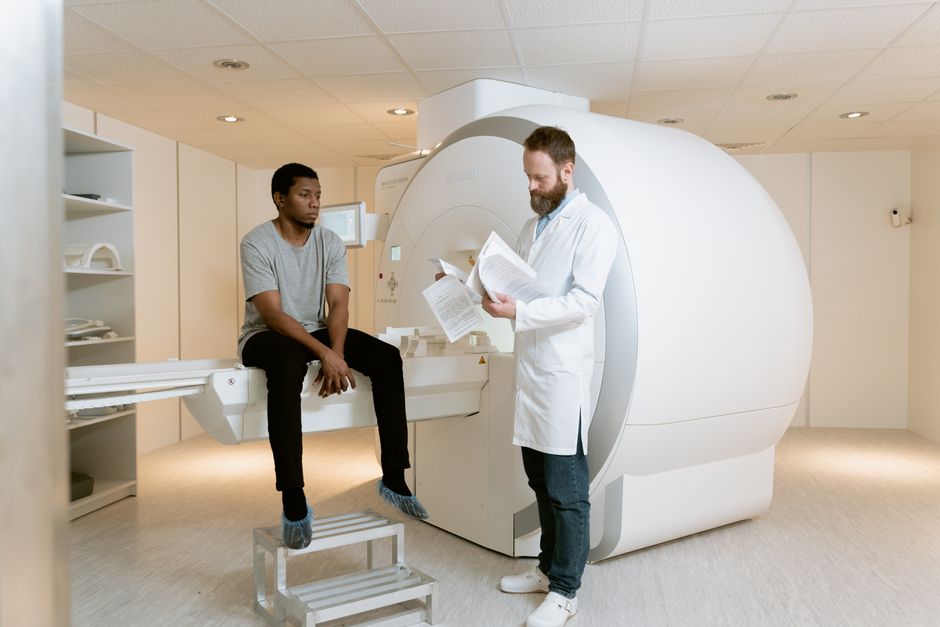
- MRI (Magnetic Resonance Imaging): An MRI uses magnets and radio waves to create detailed images of both bones and soft tissues. It is especially helpful for identifying disc herniations, nerve compression, spinal stenosis, and infections or tumors. MRI is one of the most commonly used imaging tools for back pain.
- CT Scan (Computed Tomography): A CT scan uses X-rays taken from many angles to create cross-section images of the spine. It gives more detail about bones than a regular X-ray and is often used when MRI is not possible — for example, in people with certain metal implants.
- Bone Scan: A bone scan can detect areas of abnormal bone activity, such as fractures, infections, or cancer that has spread to the spine. It involves a small amount of radioactive material being injected into the bloodstream.
- Nerve Conduction Studies or EMG: These tests measure how well nerves and muscles are working. They can help confirm whether nerve damage is present and which nerves are affected.
Not everyone needs all of these tests. Your doctor will recommend the most appropriate one based on your specific symptoms and history.
What Imaging Can and Cannot Tell You
Imaging tests are powerful tools, but they have limits. As mentioned earlier, it is very common to find changes in the spine on an MRI that look concerning but are not actually causing pain. Studies have found that disc bulges and degenerative changes are frequently seen in people who have no back pain at all. This can be confusing and even worrying if you do not know what to expect.
On the other hand, some people have significant pain even when their imaging looks relatively normal. This does not mean the pain is imaginary. It simply means that imaging cannot capture everything — including muscle tension, nerve sensitivity, and other factors that contribute to pain.
This is why a skilled pain specialist does not rely on imaging alone. They combine test results with your full medical history and physical exam to build a complete picture of what is happening and how best to help you.
Getting the Right Care After Diagnosis
Once the cause of your back pain is better understood, your care team can create a treatment plan tailored to you. Treatment options for back pain vary widely and may include physical therapy, medications, injections, or other interventional procedures. The right approach depends on the type and source of your pain, your overall health, and your personal goals.
If you are in the Modesto area and struggling to find answers for your back pain, Unity Pain Management offers comprehensive evaluation and a range of treatment options including medication management, joint injections, and referrals for spine injections or physical therapy. The team is insurance-friendly and committed to helping patients move forward.
It is also worth knowing that telehealth visits are available for those who find it difficult to travel due to pain or other barriers. Getting a proper evaluation does not have to be overwhelming — help is closer than you might think.
You Deserve Answers and Support
Living with back pain without answers can feel isolating and discouraging. But an accurate diagnosis is possible, and it matters. When you understand what is driving your pain, treatment becomes more focused and more effective. You deserve a care team that listens, takes your pain seriously, and works with you every step of the way.
If you have been struggling, do not give up. Reaching out to a pain specialist — whether in person or through telehealth — is a meaningful step forward. The team at Unity Pain Management in Modesto, CA is here to help you find clarity and work toward a better quality of life.
References
- Chou, Roger et al. “Diagnostic Imaging for Low Back Pain: Advice for High-Value Health Care From the American College of Physicians.” Annals of Internal Medicine. 2011.
- Brinjikji, W. et al. “Systematic Literature Review of Imaging Features of Spinal Degeneration in Asymptomatic Populations.” American Journal of Neuroradiology. 2015.
- National Institute of Neurological Disorders and Stroke. “Back Pain Fact Sheet.” National Institutes of Health. 2023.
- Mayo Clinic Staff. “Back Pain — Diagnosis and Treatment.” Mayo Clinic. 2023.
- Toward Optimized Practice. “Evidence-Informed Primary Care Management of Low Back Pain.” International Association for the Study of Pain. 2017.
Take back control of your life from pain.
Unity Pain Management offers personalized, evidence-based care in Modesto CA. In-person and telehealth options available. Most insurance accepted.
Call us at (350) 216-5774 — Unity Pain Management, Modesto CA
- Share
