
What Is Non-Specific Low Back Pain? | Unity Pain
- Home
- What Is Non-Specific Low Back Pain? | Unity Pain
What Is Non-Specific Low Back Pain? | Unity Pain
You Are Not Alone in This Pain
If your doctor told you that you have “non-specific low back pain,” you might feel confused or even frustrated. What does that mean? Does it mean no one knows what is wrong with you? Does it mean the pain is not real? The answer to both of those questions is no. Non-specific low back pain is very real, and millions of people live with it every day. Understanding what it means can actually be the first step toward feeling better.
Low back pain is one of the most common health problems in the world. It affects people of all ages and all walks of life. For many people, it becomes a long-term struggle that affects work, sleep, and everyday joy. If you have been dealing with back pain for weeks, months, or even years, know that you deserve real answers and real care.
What Does “Non-Specific” Mean?
When doctors call back pain “non-specific,” it means they cannot point to one clear cause — like a broken bone, a tumor, or a serious nerve disease — that explains the pain. This does not mean your pain is made up or unimportant. It simply means the pain does not come from a specific, identifiable disease or structural problem that shows up clearly on tests.
In fact, research shows that most low back pain — up to 90% of cases — falls into this category. Even with X-rays or MRI scans, many people with serious back pain show no clear structural damage. The human back is very complex. Muscles, ligaments, joints, nerves, and discs all work together. When something goes wrong in that system, it is not always easy to find on an image or test.
Non-specific low back pain is still a medical condition. It still needs proper care. And it can still be treated in ways that improve your quality of life.
What Causes Non-Specific Low Back Pain?
Even though there is no single identified cause, doctors and researchers have found many things that can contribute to non-specific low back pain. These include muscle strain or tension, poor posture over time, long periods of sitting or standing, stress and anxiety, poor sleep, and being less physically active than your body needs.
Sometimes pain starts after lifting something heavy or making a sudden movement. Other times it seems to come out of nowhere. Stress and emotions can also play a real role in how the body experiences pain. This is not a weakness — it is simply how the nervous system works. The brain and the back are closely connected, and emotional stress can make pain signals feel stronger.
Certain things can raise your risk of developing non-specific low back pain. These include older age, a sedentary lifestyle, smoking, obesity, and a job that involves heavy lifting or long hours at a desk. Knowing your risk factors can help you and your care team build a plan that works for your life.
What Does Non-Specific Low Back Pain Feel Like?
Non-specific low back pain can feel different from person to person. Some people feel a dull ache that never fully goes away. Others feel sharp pain that comes and goes. The pain is usually in the lower part of the back, between the ribs and the hips. It may spread into the buttocks or the tops of the legs, but it usually does not go all the way down the leg like sciatica does.
The pain may get worse when you sit for a long time, bend forward, or lift things. It may feel better when you move around gently or change positions. Many people find that it is worst in the morning after waking up, or at the end of a long day.
If you also have numbness, tingling, or weakness in your legs, or if you have trouble controlling your bladder or bowels, please seek medical attention right away. These can be signs of a more serious condition that needs quick evaluation.
How Is It Diagnosed?
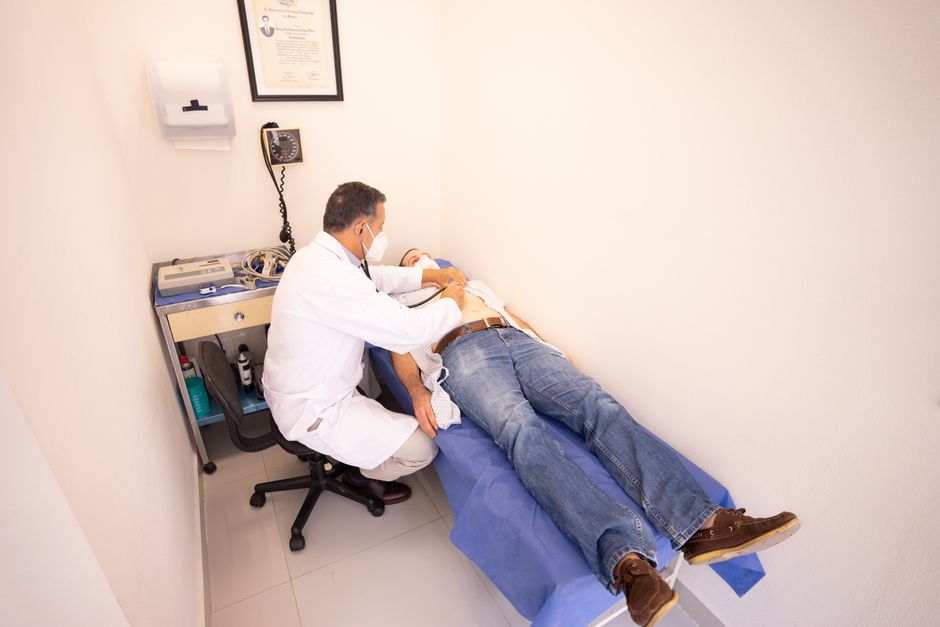
A doctor will usually start by asking you questions about your pain — when it started, where it hurts, what makes it worse or better, and how it affects your daily life. They will also do a physical exam to check your movement, strength, and reflexes. In many cases, imaging tests like X-rays or MRIs are not needed right away unless there are warning signs of something more serious.
Doctors look for what are called “red flags” — symptoms that might suggest a more serious cause, such as unexplained weight loss, fever, a history of cancer, or significant trauma. If none of those red flags are present, non-specific low back pain is often the working diagnosis.
Getting a proper evaluation matters. A care team can help rule out serious causes, understand your full health picture, and start building a treatment plan that is right for you.
What Are the Treatment Options?
The good news is that many people with non-specific low back pain do improve with the right care and support. Treatment often focuses on reducing pain, improving movement, and helping you stay as active as possible. No single treatment works for everyone, and finding the right combination often takes some time and patience.
Common approaches include staying gently active rather than resting in bed, working with a physical therapist to strengthen the muscles that support your spine, and using medications to manage pain flare-ups. Some people also benefit from injections that target inflamed joints or tight muscle areas. Mindfulness, stress management, and good sleep habits can also make a meaningful difference.
At Unity Pain Management in Modesto, CA, the care team takes a thoughtful approach to low back pain. Services like trigger point injections, joint injections, Toradol injections, and medication management may be part of your care plan. Telehealth visits are also available, making it easier to get help from home. Unity Pain works with most insurance plans, so getting started may be more accessible than you think.
A Hopeful Path Forward
Living with non-specific low back pain can be exhausting and discouraging. When tests come back normal but the pain keeps coming, it is easy to feel dismissed or lost. But you deserve to be heard, and you deserve care that takes your pain seriously.
With the right support, many people find ways to manage their pain, stay active, and reclaim the parts of life that matter most to them. You do not have to figure this out alone. Reaching out to a pain management professional is a brave and important step. There are real options, and there is real hope.
References
- Maher, Chris, Martin Underwood, and Rachelle Buchbinder. “Non-specific low back pain.” The Lancet. 2017.
- National Institute of Neurological Disorders and Stroke. “Low Back Pain Fact Sheet.” National Institutes of Health. 2023.
- Casazza, Brian A. “Diagnosis and Treatment of Acute Low Back Pain.” American Family Physician. 2012.
- Mayo Clinic Staff. “Back Pain — Symptoms and Causes.” Mayo Clinic. 2023.
- Deyo, Richard A., and James N. Weinstein. “Low Back Pain.” New England Journal of Medicine. 2001.
Take back control of your life from pain.
Unity Pain Management offers personalized, evidence-based care in Modesto CA. In-person and telehealth options available. Most insurance accepted.
Call us at (350) 216-5774 — Unity Pain Management, Modesto CA
- Share
