
What Is a Shoulder Joint Injection? | Unity Pain
- Home
- What Is a Shoulder Joint Injection? | Unity Pain
What Is a Shoulder Joint Injection? | Unity Pain
You Deserve to Feel Better
Shoulder pain can make even the simplest things feel impossible. Reaching for a glass, getting dressed, or sleeping through the night can become a daily struggle. If you have been living with shoulder pain for weeks, months, or even years, you are not alone. Many people search for answers and relief without knowing all of their options. A shoulder joint injection may be one tool that can help. Learning what it is and how it works can help you have a better conversation with your doctor.
This article will walk you through what a shoulder joint injection is, what to expect, and who might benefit from one. As always, a proper medical evaluation is the best way to find out if this option is right for you.
What Is a Shoulder Joint Injection?
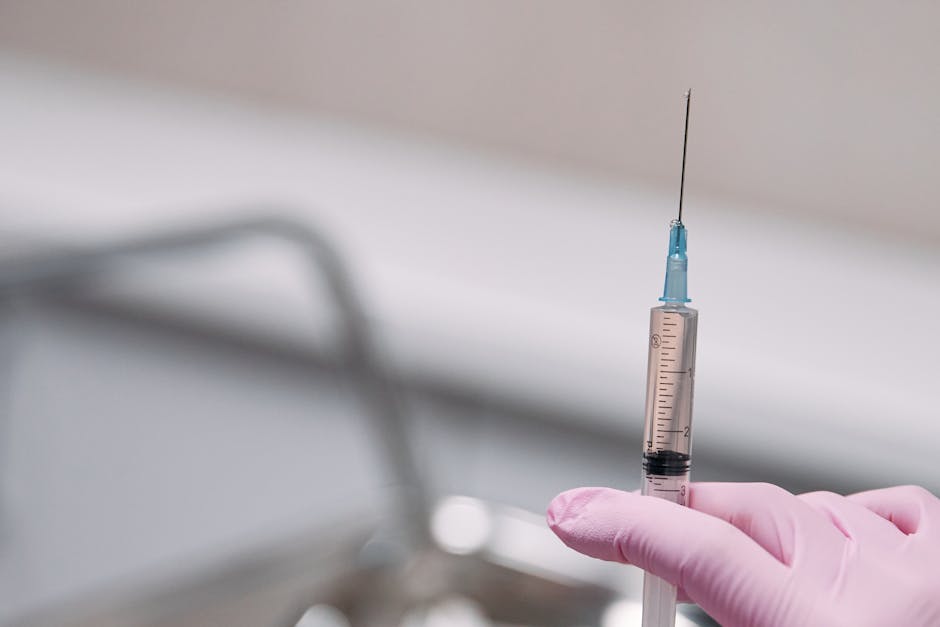
A shoulder joint injection is a procedure where a doctor places medicine directly into the shoulder joint. The shoulder is a ball-and-socket joint, which means it allows a wide range of motion. Because of this, it is also a joint that deals with a lot of wear, injury, and inflammation over time.
The medicine used in the injection most often includes a corticosteroid, which is a powerful anti-inflammatory drug. Sometimes a local anesthetic is added to provide more immediate relief. The goal is to reduce swelling and pain inside the joint so you can move more freely and feel more comfortable.
The injection is placed directly into the joint space using a needle. Many providers use imaging guidance, such as ultrasound or fluoroscopy, to make sure the medicine goes exactly where it needs to go. This helps improve accuracy and safety.
Why Would Someone Need a Shoulder Joint Injection?
Shoulder joint injections are often used when shoulder pain has not improved with rest, physical therapy, or over-the-counter medications. They are considered when pain is limiting your daily activities and quality of life. A doctor will typically review your history, symptoms, and imaging results before recommending this type of procedure.
Some common conditions that may be treated with a shoulder joint injection include:
- Osteoarthritis — wear and tear of the cartilage inside the joint
- Rotator cuff injuries — damage to the muscles and tendons surrounding the shoulder
- Frozen shoulder (adhesive capsulitis) — stiffness and pain from tightening of the joint capsule
- Rheumatoid arthritis — an autoimmune condition that causes joint inflammation
- Bursitis — swelling of the small fluid-filled sacs that cushion the joint
Keep in mind that a shoulder injection is not a cure. It is a treatment that can help manage pain and improve function. Your doctor will work with you to build a broader care plan that may also include physical therapy or other treatments.
What Happens During the Procedure?
The procedure itself is usually done in a clinic setting and does not require a hospital stay. You will sit or lie down in a comfortable position. The skin around your shoulder will be cleaned and a numbing agent may be applied to reduce discomfort during the injection.
The doctor will then carefully guide the needle into the joint space. If imaging is used, you may see the process on a screen. The medicine is injected and the needle is removed. The whole procedure often takes only a few minutes.
Some people feel mild pressure or a brief sting during the injection. Most patients tolerate the procedure well. You may be asked to stay for a short time after the injection so the care team can make sure you are feeling okay before you leave.
What to Expect After the Injection
After a shoulder joint injection, it is normal to feel some soreness at the injection site for a day or two. If a local anesthetic was used, you might notice quick but temporary relief right after the injection. The corticosteroid typically takes a few days to begin working, and some people notice the most improvement within one to two weeks.
Your doctor will likely give you specific instructions for the hours and days after the procedure. This may include avoiding heavy lifting or strenuous activity for a short time. Ice packs can sometimes help with any soreness at the site.
Results can vary from person to person. Some people experience significant relief that lasts for several months. Others may notice more modest improvement. There is no way to predict exactly how your body will respond, which is why working with a knowledgeable provider is so important.
Are There Any Risks?
Like any medical procedure, shoulder joint injections carry some risks. These are generally considered low when the injection is performed by a trained provider. Possible risks include:
- Temporary increase in pain or swelling after the injection
- Infection at the injection site (rare)
- Skin changes or discoloration near the injection site
- Temporary rise in blood sugar levels, especially in people with diabetes
- Possible weakening of nearby tendons with repeated injections over time
Your provider will review your full medical history before the procedure to make sure it is safe for you. Always share any medications you are taking, including blood thinners, and let your provider know about any allergies or health conditions.
Is a Shoulder Joint Injection Right for You?
Only a qualified medical provider can help you decide if a shoulder joint injection is the right step for your care. What works well for one person may not be the best fit for another. A thorough evaluation — including a review of your symptoms, physical exam, and any imaging — gives your provider the full picture they need to guide you.
If you are living with shoulder pain and looking for compassionate, comprehensive care, Unity Pain Management in Modesto, CA offers joint injections along with a full range of pain management services. The team is insurance-friendly and committed to helping patients find relief through personalized treatment plans. Telehealth visits are also available for your convenience.
You do not have to keep living in pain. Reach out to a pain management provider and take the next step toward feeling better. There is hope, and there are people ready to help you on this journey.
References
- Caldwell, John R. “Intraarticular Corticosteroids: Guide to Selection and Indications for Use.” Drugs. 1996.
- National Institute of Arthritis and Musculoskeletal and Skin Diseases. “Shoulder Problems.” National Institutes of Health. 2023.
- Habib, Georges S. “Systemic Effects of Intra-articular Corticosteroids.” Clinical Rheumatology. 2009.
- Mayo Clinic Staff. “Cortisone Shots.” Mayo Clinic. 2023.
- Stephens, Mark B., et al. “Musculoskeletal Injections: A Review of the Evidence.” American Family Physician. 2008.
Take back control of your life from pain.
Unity Pain Management offers personalized, evidence-based care in Modesto CA. In-person and telehealth options available. Most insurance accepted.
Call us at (350) 216-5774 — Unity Pain Management, Modesto CA
- Share
