
Toradol Injection for Sports Injury | Unity Pain
- Home
- Toradol Injection for Sports Injury | Unity Pain
Toradol Injection for Sports Injury | Unity Pain
When a Sports Injury Stops You in Your Tracks
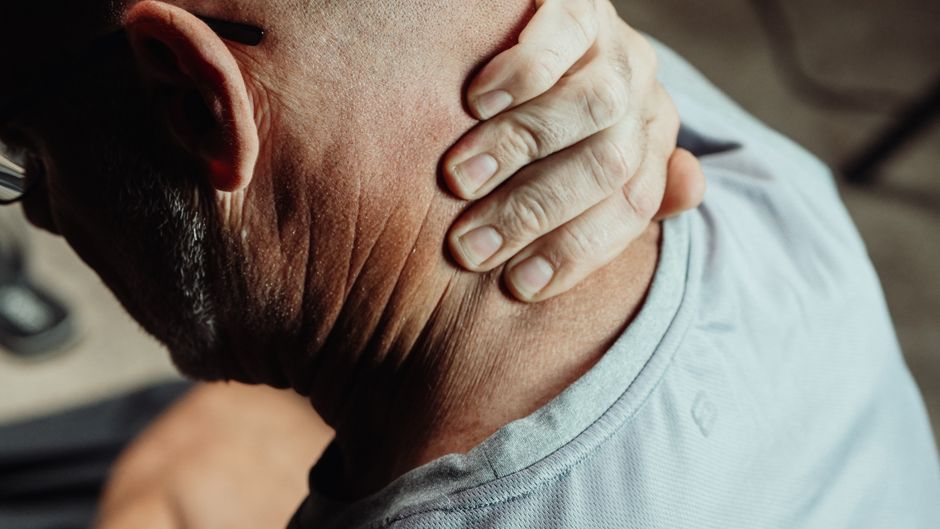
You were in the middle of a game, a workout, or a weekend run — and then it happened. A sharp twist, a hard fall, or a sudden pull, and now the pain is making it hard to move, sleep, or even think straight. Sports injuries can be incredibly frustrating, especially when you are an active person who counts on your body to keep up with your life. You want to recover fast and get back to doing what you love.
One treatment that doctors sometimes use to help manage acute pain from sports injuries is a Toradol injection. If you have never heard of it, or if your doctor mentioned it and you want to know more, this article will walk you through the basics in plain language. Understanding your options can help you feel more in control of your recovery.
What Is Toradol?
Toradol is the brand name for a medication called ketorolac. It belongs to a class of drugs called NSAIDs, which stands for nonsteroidal anti-inflammatory drugs. You may already be familiar with over-the-counter NSAIDs like ibuprofen or naproxen. Ketorolac works in a similar way, but it is much stronger and is only available by prescription.
When given as an injection, Toradol works faster than a pill. It goes directly into the muscle or vein, so it does not have to pass through your digestive system first. This means it can start reducing inflammation and easing pain more quickly than an oral medication. It is not a steroid, and it is not an opioid, so it works differently from those types of pain medicines.
How Does It Help With Sports Injuries?
Sports injuries often cause inflammation. When you sprain an ankle, strain a muscle, or injure a joint, your body sends chemicals to the area to start healing. This process causes swelling, redness, warmth, and pain. NSAIDs like ketorolac work by blocking certain chemicals in the body called prostaglandins, which play a big role in creating that inflammation and pain response.
By reducing inflammation quickly, a Toradol injection may help bring down swelling and make the pain more manageable. This can be especially helpful in the first hours or days after an injury, when pain is often at its worst. For athletes or active people who need to begin rehabilitation or physical therapy, having better pain control early on can make a real difference in the recovery process.
It is important to understand that Toradol does not heal the injury itself. It helps manage the pain and inflammation while your body does the work of healing. Your care team will help you understand what else you may need, such as rest, physical therapy, or other treatments.
What Types of Sports Injuries Might Be Treated With Toradol?
Toradol injections are sometimes used for several types of acute musculoskeletal injuries. These can include:
- Muscle strains — such as a pulled hamstring or back muscle
- Ligament sprains — like an ankle or knee sprain
- Joint pain and swelling — from overuse or acute injury
- Bursitis — inflammation of the fluid-filled sacs near joints
- Tendinitis — inflammation of a tendon from repetitive motion or sudden injury
Not every sports injury is the right fit for this treatment. A medical provider needs to evaluate your injury first. There may be cases where a different approach works better, or where Toradol should not be used at all. Only a qualified healthcare provider can make that decision after reviewing your health history and the details of your injury.
Is Toradol Safe? What Are the Risks?
Toradol is an effective medication, but like all medicines, it comes with possible side effects and important limitations. Because it is a strong NSAID, it is generally not meant for long-term use. Most guidelines suggest it should only be used for a short period, typically no more than five days in a row.
Some possible side effects include stomach upset, nausea, dizziness, or headache. More serious but less common risks can include effects on the kidneys, stomach lining, or blood clotting. People with certain health conditions — including kidney problems, a history of stomach ulcers, or bleeding disorders — may not be good candidates for this medication. That is why a thorough medical evaluation is so important before receiving any injection.
Your provider will review your health history carefully to decide whether Toradol is appropriate for you. Never take this medication on your own or use someone else’s prescription. Always work with a licensed medical professional.
What to Expect During a Toradol Injection Visit
If your provider recommends a Toradol injection, the visit is usually fairly simple and quick. The injection is typically given into a muscle, often in the hip or upper arm area, though the method may vary. Most people feel the effects within 30 minutes to an hour after the injection.
You may be asked to stay at the clinic for a short time afterward so staff can make sure you are feeling okay. Your provider will likely give you instructions for what to do at home, including any activity restrictions and signs to watch for. Follow-up care is an important part of the process, so make sure you keep any scheduled appointments.
If you are in the Modesto area and dealing with pain from a sports injury, the team at Unity Pain Management can evaluate your condition and talk with you about whether a Toradol injection or another treatment might be right for your situation. The clinic accepts most insurance plans and also offers telehealth visits for added convenience.
Getting Back to What You Love
A sports injury can feel like a setback, but with the right care, many people are able to recover and return to the activities that matter to them. Pain management is one important piece of that puzzle. Whether it is a Toradol injection, physical therapy, or another approach, the goal is always to help you feel better and move forward.
You do not have to manage this alone. Reaching out to a pain management provider for a proper evaluation is a good first step. At Unity Pain Management in Modesto, CA, a caring team is ready to listen to your story and work with you on a plan that fits your needs. There is no one-size-fits-all answer to pain, but there is hope — and there are people who want to help you find it.
References
- Bushra, Rabia, and Nousheen Aslam. “An Overview of Clinical Pharmacology of Ibuprofen.” Oman Medical Journal. 2010.
- Motov, Sergey, et al. “Comparison of Intravenous Ketorolac at Three Single-Dose Regimens for Treating Acute Pain in the Emergency Department.” Annals of Emergency Medicine. 2017.
- National Institute of Arthritis and Musculoskeletal and Skin Diseases. “Sprains and Strains.” National Institutes of Health. 2023.
- Warden, Stuart J. “Prophylactic Use of NSAIDs by Athletes: A Risk/Benefit Assessment.” The Physician and Sportsmedicine. 2010.
- U.S. National Library of Medicine. “Ketorolac Injection.” MedlinePlus, National Institutes of Health. 2023.
Take back control of your life from pain.
Unity Pain Management offers personalized, evidence-based care in Modesto CA. In-person and telehealth options available. Most insurance accepted.
Call us at (350) 216-5774 — Unity Pain Management, Modesto CA
- Share
