
Tai Chi for Pain and Balance | Unity Pain Modesto
- Home
- Tai Chi for Pain and Balance | Unity Pain Modesto
Tai Chi for Pain and Balance | Unity Pain Modesto
Moving Gently Toward Less Pain
If you live with chronic pain, you may have heard that exercise is good for you — but the idea of moving when everything hurts can feel impossible. You are not alone in feeling that way. Many people with chronic pain are caught in a difficult cycle: pain makes movement hard, and not moving can make pain worse over time. The good news is that not all exercise has to be intense or difficult. Tai chi is one of the gentlest forms of movement available, and research suggests it may help reduce pain and improve balance for many people.
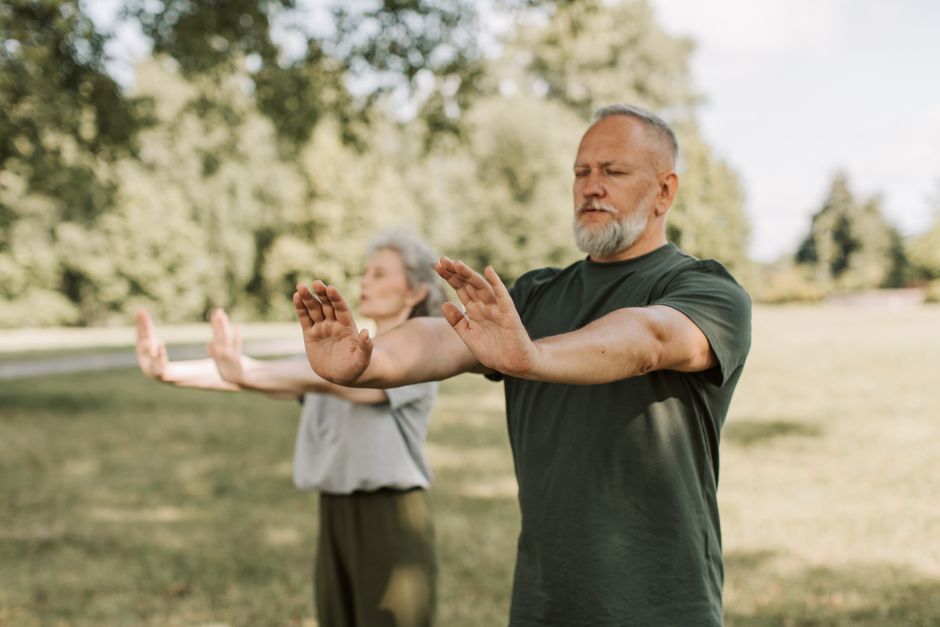
Tai chi is an ancient Chinese practice that uses slow, flowing movements combined with deep breathing and mental focus. It is sometimes described as “meditation in motion.” You do not need special equipment, and it can often be adapted for people of all fitness levels — even those who have not exercised in years. This article will walk you through what tai chi is, how it may help with pain and balance, and what to keep in mind before getting started.
What Is Tai Chi?
Tai chi started as a martial art in China hundreds of years ago. Over time, it evolved into a gentle health practice focused on slow, controlled movements. A typical tai chi session involves a series of postures that flow from one to the next without stopping. Your body stays in motion the whole time, but the pace is calm and steady. Most people find it relaxing rather than exhausting.
There are several styles of tai chi, including Yang, Chen, and Sun styles. Some styles are more active than others. For people managing pain or balance problems, gentler styles like Sun-style tai chi are often recommended. Many community centers, senior centers, and gyms offer beginner tai chi classes. There are also video programs available for people who prefer to learn at home.
How Tai Chi May Help With Chronic Pain
Researchers have studied tai chi for several common painful conditions, including osteoarthritis, fibromyalgia, and low back pain. Some studies have found that people who practice tai chi regularly report lower pain levels and better physical function. The gentle, low-impact movements may help keep joints lubricated, strengthen the muscles that support painful areas, and reduce tension in the body.
Tai chi also involves deep, mindful breathing and mental focus. This combination may help calm the nervous system, which plays an important role in how pain signals are processed in the brain. Chronic pain is not just a physical experience — stress, anxiety, and poor sleep can all make pain feel worse. Tai chi addresses the whole person, which is one reason it has become a topic of interest in pain management research.
It is important to understand that tai chi is not a cure for chronic pain. Results vary from person to person. Some people notice meaningful improvement, while others may see smaller changes. The goal is to find tools that make life a little more manageable, and for many people, tai chi becomes one helpful piece of a larger pain management plan.
Tai Chi and Balance: Reducing the Risk of Falls
Balance problems are very common in people with chronic pain, especially older adults. When pain limits movement, the muscles that keep us stable can weaken over time. Poor balance increases the risk of falls, which can lead to serious injuries. This is a real concern that deserves attention.
Tai chi has been studied specifically for fall prevention, and the results are encouraging. The practice requires you to shift your weight slowly from one foot to the other, which trains the muscles and brain systems involved in balance. Over time, regular practice may improve coordination and stability. Organizations like the Centers for Disease Control and Prevention (CDC) have recognized tai chi-based programs as evidence-based fall prevention strategies for older adults.
Improving balance does more than prevent falls — it can also give you more confidence in your daily movements. When you feel steadier on your feet, you may be more willing to stay active, which can support your overall health and comfort.
Who Can Try Tai Chi?
One of the best things about tai chi is how accessible it can be. It is considered a low-impact activity, meaning it places very little stress on the joints. People with arthritis, back pain, fibromyalgia, and even some heart conditions have participated in tai chi programs. Because the movements are slow and controlled, the risk of injury is generally low compared to higher-impact exercises.
That said, tai chi is not right for everyone in every situation. If you have had a recent surgery, a fracture, or a condition that affects your ability to stand safely, you should talk with your doctor or pain management provider before starting. Some tai chi movements can also be done while seated, which may be an option for people with more severe limitations.
Getting Started Safely
If you are interested in trying tai chi, start slowly and be patient with yourself. Look for a beginner class taught by an experienced instructor who understands the needs of people with pain or balance issues. Tell your instructor about your condition before the class begins so they can offer modifications if needed.
Even practicing for 20 to 30 minutes a few times per week can be a meaningful start. Many people notice gradual improvements in flexibility, strength, and mood over several weeks of consistent practice. Give yourself time — chronic pain did not develop overnight, and healing the body takes patience and care.
If you are unsure where to begin or want to make sure tai chi fits safely into your overall care plan, speaking with a pain specialist is a great first step. Unity Pain Management in Modesto, CA offers compassionate, personalized care for people living with chronic pain. The team can help you explore a full range of options — from medication management and injections to guidance on supportive lifestyle practices like tai chi. Insurance-friendly care and telehealth visits are available for your convenience.
A Hopeful Step Forward
Living with chronic pain is exhausting. It affects not just your body, but your mood, your relationships, and your quality of life. Finding something gentle and meaningful that you can do for yourself — something that may bring even small relief — can feel empowering. Tai chi offers that possibility for many people.
You deserve support, and you deserve care that sees you as a whole person. Whether tai chi becomes a regular part of your routine or simply one tool among many, taking any small step toward better movement and less pain is worth celebrating. Be kind to yourself as you explore what works for you.
References
- Wang, Chenchen et al. “A Randomized Trial of Tai Chi for Fibromyalgia.” New England Journal of Medicine. 2010.
- Lauche, Romy et al. “A Systematic Review and Meta-Analysis of Tai Chi for Osteoarthritis of the Knee.” Complementary Medicine Research. 2013.
- Centers for Disease Control and Prevention. “STEADI — Stopping Elderly Accidents, Deaths and Injuries.” CDC.gov. 2023.
- Wayne, Peter M. and Mark L. Fuerst. The Harvard Medical School Guide to Tai Chi. Harvard Health Publications. 2013.
- National Center for Complementary and Integrative Health. “Tai Chi and Qi Gong: In Depth.” National Institutes of Health. 2022.
Take back control of your life from pain.
Unity Pain Management offers personalized, evidence-based care in Modesto CA. In-person and telehealth options available. Most insurance accepted.
Call us at (350) 216-5774 — Unity Pain Management, Modesto CA
- Share
