
Knee Osteoarthritis: Symptoms & Treatments | Unity Pain
- Home
- Knee Osteoarthritis: Symptoms & Treatments | Unity Pain
Knee Osteoarthritis: Symptoms & Treatments | Unity Pain
Living With Knee Pain: You Are Not Alone
If your knees ache when you climb stairs, feel stiff when you wake up in the morning, or hurt after a short walk, you know how much this kind of pain can slow you down. Knee osteoarthritis is one of the most common causes of joint pain in adults, and millions of people live with it every day. It can make simple things — like getting up from a chair or walking to your car — feel like a real challenge. If this sounds familiar, please know that what you are feeling is real, it matters, and there are options that may help.
This article will explain what knee osteoarthritis is, what symptoms to watch for, and what kinds of treatments are available. Everyone’s pain is different, so it is always important to talk with a medical provider to find the right plan for you.
What Is Knee Osteoarthritis?
Your knee joint is covered by a smooth, rubbery material called cartilage. Cartilage acts like a cushion between the bones. It helps your knee move smoothly and absorbs shock when you walk or run. Over time, that cartilage can wear down. When this happens, the bones in your knee may start to rub against each other. This wearing down of cartilage is called osteoarthritis, sometimes shortened to OA.
Knee osteoarthritis tends to develop slowly over many years. It is most common in people over age 50, but it can happen earlier — especially after a knee injury or in people who are very active. Being overweight can also put extra stress on the knee joint and speed up cartilage breakdown. Other risk factors include family history of arthritis, previous joint injuries, and jobs that involve a lot of kneeling or heavy lifting.
Common Symptoms to Watch For
The symptoms of knee osteoarthritis can vary from person to person. Some people have mild discomfort that comes and goes. Others feel pain almost every day. Common symptoms include:
- Pain or aching in or around the knee, especially during or after movement
- Stiffness in the morning or after sitting for a long time
- Swelling around the knee joint
- A grinding, clicking, or popping feeling when you bend your knee
- Weakness or buckling — the feeling that your knee might give out
- Reduced range of motion — trouble fully bending or straightening the knee
Symptoms often get worse on days when you are more active and may feel better with rest. Cold or damp weather can also make pain feel worse for some people. If you notice any of these signs, it is a good idea to speak with a healthcare provider so you can get a proper diagnosis and start learning about your options.
How Is Knee Osteoarthritis Diagnosed?
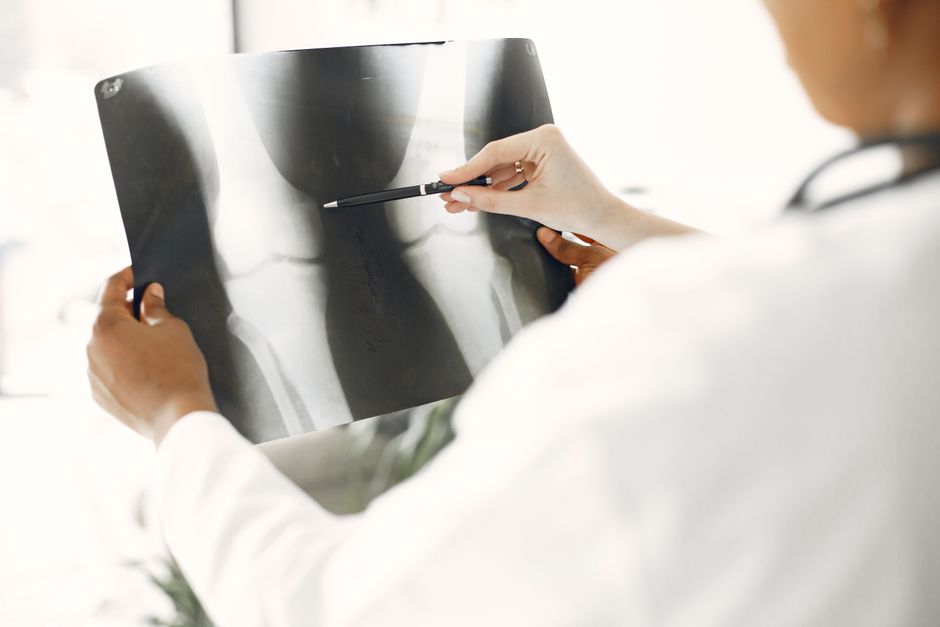
A doctor will usually start by asking about your symptoms, your health history, and how the pain affects your daily life. They will examine your knee, checking for swelling, tenderness, and how well you can move the joint. X-rays are commonly used to look at the space between the bones in your knee — a narrower space can be a sign that cartilage has worn down. In some cases, an MRI may be ordered to get a closer look at the soft tissues around the joint.
It is important to get an accurate diagnosis because other conditions — like bursitis, tendonitis, or a meniscus tear — can cause similar knee symptoms. Knowing exactly what is going on in your knee helps your care team build a treatment plan that is right for your specific situation.
Treatment Options for Knee Osteoarthritis
There is no cure for osteoarthritis, but many treatments can help reduce pain and improve how well your knee works. Treatment usually starts with conservative, non-surgical options. These may include:
- Physical therapy — exercises to strengthen the muscles around the knee, improve flexibility, and reduce stress on the joint
- Weight management — losing even a small amount of weight can take pressure off the knee and reduce pain
- Over-the-counter pain relievers — medications like acetaminophen or NSAIDs may help with mild to moderate pain
- Hot and cold therapy — applying heat or ice to the knee can help ease pain and swelling
- Assistive devices — knee braces or a cane can take some of the load off a painful joint
When these steps are not enough on their own, medical procedures may offer more relief. Joint injections are one option that many people find helpful. These include corticosteroid injections to reduce inflammation, or hyaluronic acid injections to help lubricate the joint. A pain management provider can help you decide if injections might be a good fit for your situation.
How a Pain Management Clinic Can Help
Managing knee osteoarthritis often takes a team approach. A pain management clinic focuses on helping people find relief and get back to doing the things they love. At Unity Pain Management in Modesto, CA, the care team offers services like joint injections, medication management, Toradol injections for acute flares, and referrals to physical therapy and spine specialists. Telehealth visits are also available, making it easier to get care from home if getting around is difficult.
Unity Pain Management works with most insurance plans, so cost does not have to be a barrier to getting help. If you have been struggling with knee pain and feel like you have run out of options, reaching out to a pain management specialist may open new doors. A proper evaluation can help map out a plan that fits your life and your goals.
A Hopeful Path Forward
Knee osteoarthritis can be frustrating, discouraging, and exhausting — especially when it has been going on for a long time. But many people do find ways to manage their pain, stay active, and improve their quality of life with the right support. You deserve care that takes your pain seriously and treats you as a whole person.
The first step is often the hardest — asking for help. But you do not have to keep pushing through pain alone. Talk to a healthcare provider about what you are experiencing. With the right evaluation and a thoughtful treatment plan, there is real reason to hope for better days ahead.
References
- Kolasinski, Sharon L., et al. “2019 American College of Rheumatology/Arthritis Foundation Guideline for the Management of Osteoarthritis of the Hand, Hip, and Knee.” Arthritis & Rheumatology. 2020.
- National Institute of Arthritis and Musculoskeletal and Skin Diseases. “Osteoarthritis.” National Institutes of Health. 2023.
- Centers for Disease Control and Prevention. “Osteoarthritis (OA).” CDC. 2023.
- Bannuru, Raveendhara R., et al. “OARSI guidelines for the non-surgical management of knee, hip, and polyarticular osteoarthritis.” Osteoarthritis and Cartilage. 2019.
- Mayo Clinic Staff. “Osteoarthritis — Symptoms and Causes.” Mayo Clinic. 2023.
Take back control of your life from pain.
Unity Pain Management offers personalized, evidence-based care in Modesto CA. In-person and telehealth options available. Most insurance accepted.
Call us at (350) 216-5774 — Unity Pain Management, Modesto CA
- Share
