
Patellar Tendinitis Treatment | Unity Pain Modesto
- Home
- Patellar Tendinitis Treatment | Unity Pain Modesto
Patellar Tendinitis Treatment | Unity Pain Modesto
When Every Step Hurts: Understanding Patellar Tendinitis
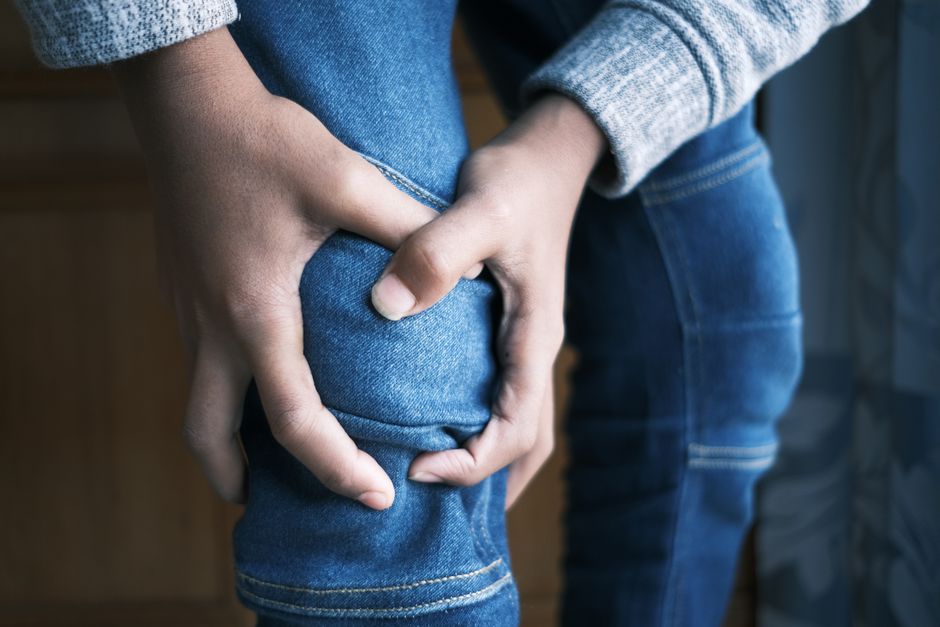
If you feel a sharp or aching pain just below your kneecap, you are not alone. Patellar tendinitis is one of the most common causes of knee pain, especially in people who are active or on their feet all day. It can sneak up slowly or hit you all at once. Either way, it can make walking, climbing stairs, or even getting off the couch feel like a real challenge. Living with this kind of pain is exhausting, and it is completely understandable to feel frustrated when something that used to be easy now feels impossible.
The good news is that patellar tendinitis is a well-understood condition. There are real, proven ways to manage it and get back to doing the things you love. This article will walk you through what patellar tendinitis is, why it happens, and what your treatment options look like — so you can take the next step forward with confidence.
What Is Patellar Tendinitis?
Your patellar tendon is a strong band of tissue that connects your kneecap (patella) to your shinbone (tibia). Every time you walk, jump, run, or squat, this tendon works hard to help your leg straighten and move. Patellar tendinitis happens when this tendon becomes irritated and inflamed, usually from overuse or repeated stress over time.
You may hear it called “jumper’s knee” because it is very common in athletes who do a lot of jumping or running. But you do not have to be an athlete to get it. People who stand for long hours at work, carry extra body weight, or have suddenly increased their activity level can develop it too. The pain is usually felt right at the base of the kneecap and can range from mild to severe.
Over time, if patellar tendinitis is not treated, the tendon fibers can begin to break down. This is called tendinopathy. That is why it is important to take knee pain seriously and seek a proper evaluation before it becomes a bigger problem.
Common Signs and Symptoms
The most common symptom of patellar tendinitis is pain and tenderness right below the kneecap. This pain often gets worse with activity and may feel better with rest — at least in the early stages. As the condition progresses, some people feel pain even when they are sitting still or sleeping.
Other signs to watch for include:
- Stiffness in the knee, especially in the morning
- Swelling or puffiness around the tendon
- Pain when bending or straightening the knee
- Weakness in the leg or feeling like the knee might give out
- Discomfort going up or down stairs
These symptoms can overlap with other knee conditions like bursitis, meniscus problems, or arthritis. That is why getting a proper diagnosis from a qualified provider is so important. A provider can examine your knee, review your history, and may order imaging like an ultrasound or MRI to get a clear picture of what is going on.
Non-Surgical Treatment Options
The great news is that most cases of patellar tendinitis can be treated without surgery. Rest is often the first and most important step. Reducing or modifying the activities that cause pain gives your tendon a chance to heal. This does not always mean total rest — it means smart rest, avoiding the specific movements that trigger your symptoms.
Physical therapy is one of the most effective treatments for patellar tendinitis. A physical therapist can teach you exercises that strengthen the muscles around your knee, reduce stress on the tendon, and improve flexibility. Eccentric exercises — where you slowly lower your body weight — have been shown to be especially helpful for tendon healing. Ice applied to the area for 15 to 20 minutes after activity can also help manage inflammation and discomfort.
Other helpful non-surgical options include:
- Patellar tendon straps or braces — These wrap around the knee just below the kneecap and can help reduce pain during activity
- Over-the-counter anti-inflammatory medications — Such as ibuprofen or naproxen, used short-term under a provider’s guidance
- Orthotics or supportive footwear — Proper foot support can reduce strain on the knee
- Activity modification — Switching to lower-impact exercise like swimming or cycling while you heal
When Injections May Help
For some people, rest and physical therapy alone are not enough to get relief. When pain is severe or not improving, a provider may recommend an injection to help calm inflammation and reduce pain. Corticosteroid injections have traditionally been used for joint and soft tissue pain, though they are used cautiously around tendons. Other options, such as platelet-rich plasma (PRP) injections, are being studied and used in some cases to support tendon healing.
Toradol injections, a strong non-steroidal anti-inflammatory medication given by injection, can also be used to provide short-term relief during flare-ups. These are not a cure on their own, but they can reduce pain enough to allow you to participate in physical therapy and daily activities more comfortably. Any injection treatment should be discussed carefully with your provider to weigh the benefits and risks for your specific situation.
At Unity Pain Management in Modesto, providers can evaluate your knee pain and discuss whether injection therapy might be a helpful part of your overall treatment plan. Every person’s pain is different, and care should always be tailored to your individual needs.
Lifestyle Changes That Support Healing
Healing from patellar tendinitis is not just about what happens in a clinic. What you do every day matters too. Gradually returning to activity — rather than jumping back in all at once — is one of the most important things you can do to protect your tendon as it heals. Pushing through pain too soon is one of the most common reasons people end up with recurring or chronic knee problems.
Maintaining a healthy body weight can also make a meaningful difference. Every extra pound puts additional stress on your knees. Even modest weight loss can reduce the load on the patellar tendon and ease symptoms. Eating a balanced diet rich in protein and nutrients supports tissue repair, and staying well hydrated keeps your tendons more flexible and resilient.
Warming up before exercise and cooling down afterward is something many people skip but should not. A proper warm-up increases blood flow to the tendons and prepares them for activity. Stretching the quadriceps and hamstrings regularly can reduce tension on the patellar tendon and lower your risk of re-injury.
Finding the Right Care for Your Knee Pain
You deserve to have your pain taken seriously. Patellar tendinitis can feel defeating, especially when it limits the activities you enjoy or keeps you from doing your job. But with the right support and a consistent treatment plan, many people do find significant relief and return to the life they want to live.
If you are in the Modesto area and struggling with knee pain, Unity Pain Management offers compassionate, insurance-friendly care including physical therapy referrals, injection therapies, medication management, and telehealth visits — so getting help is as convenient as possible. You do not have to keep managing this alone.
Talk to a qualified provider about your symptoms. A proper evaluation is the first and most important step toward understanding your pain and finding a path forward that works for you.
References
- Larsson, Maria E.H., et al. “Patellar Tendinopathy: Clinical Diagnosis, Load Management, and Advice for Challenging Case Presentations.” Journal of Orthopaedic & Sports Physical Therapy. 2019.
- Lian, Øystein B., Lars Engebretsen, and Roald Bahr. “Prevalence of Jumper’s Knee among Elite Athletes from Different Sports.” The American Journal of Sports Medicine. 2005.
- Mayo Clinic Staff. “Patellar Tendinitis.” Mayo Clinic. 2023.
- National Institute of Arthritis and Musculoskeletal and Skin Diseases. “Knee Problems.” National Institutes of Health (NIH). 2023.
- Rudavsky, Alon, and Jamie Cook. “Physiotherapy Management of Patellar Tendinopathy.” Journal of Physiotherapy. 2014.
Take back control of your life from pain.
Unity Pain Management offers personalized, evidence-based care in Modesto CA. In-person and telehealth options available. Most insurance accepted.
Call us at (350) 216-5774 — Unity Pain Management, Modesto CA
- Share
