
What Is PRP Injection? | Unity Pain Modesto CA
- Home
- What Is PRP Injection? | Unity Pain Modesto CA
What Is PRP Injection? | Unity Pain Modesto CA
When Pain Keeps Holding You Back
Living with ongoing joint pain, tendon soreness, or slow-healing injuries can wear you down. You may have tried rest, physical therapy, or medications — and still feel stuck. If that sounds familiar, you are not alone. Many people in Modesto and across the country are looking for options that go beyond standard pain relief. One treatment that has been getting more attention in recent years is PRP injection therapy. Understanding what it is and how it works can help you have a better conversation with your care team.
This article will walk you through the basics of PRP therapy in plain language. We want you to feel informed and empowered — not overwhelmed. As always, every person’s pain is different, and a proper evaluation by a qualified provider is the best first step before considering any treatment.
What Does PRP Stand For?
PRP stands for Platelet-Rich Plasma. To understand what that means, it helps to know a little about your blood. Your blood is made up of several parts: red blood cells, white blood cells, plasma, and platelets. Plasma is the liquid part of your blood. Platelets are tiny cells that help your body clot and heal when you are injured. They also carry special proteins called growth factors that signal your body to start repairing damaged tissue.
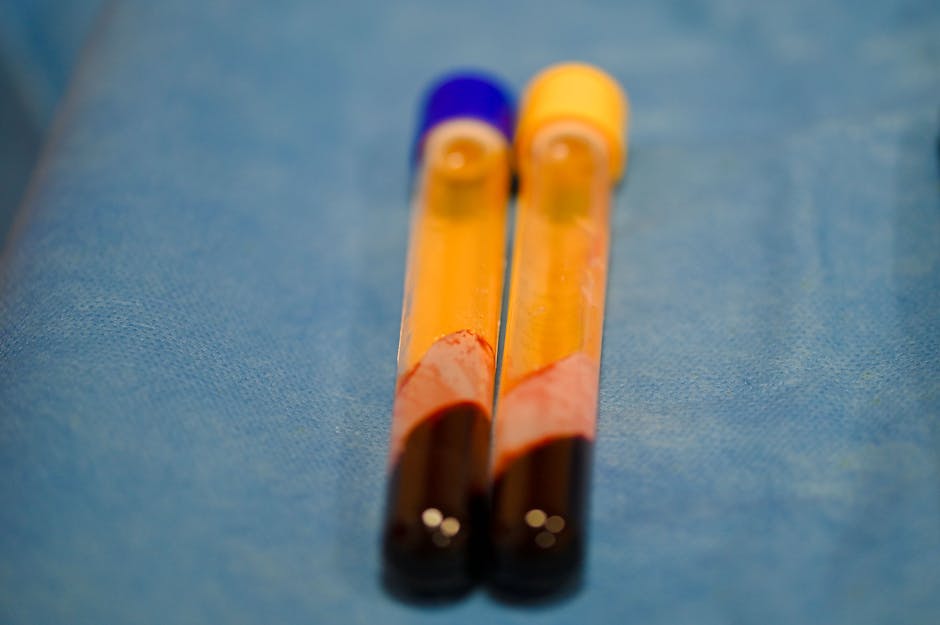
In a PRP injection, doctors take a small sample of your own blood and place it in a machine called a centrifuge. This machine spins the blood very fast to separate its parts. The result is a concentrated mixture that has a much higher level of platelets than normal blood. This platelet-rich plasma is then injected directly into the area of the body that is injured or painful. The goal is to use your body’s own natural healing signals to help repair damaged tissue.
What Conditions May Benefit From PRP?
PRP has been studied for use in several musculoskeletal conditions. Some of the most common include:
- Tendon injuries — such as tennis elbow or Achilles tendinopathy
- Knee osteoarthritis — joint pain from worn-down cartilage
- Rotator cuff injuries — shoulder pain related to tendon damage
- Plantar fasciitis — heel and foot pain from tissue inflammation
- Hip pain — including labral or soft tissue injuries
- Muscle strains — slow-healing or recurring muscle injuries
Research on PRP is still growing, and results can vary from person to person. Some studies suggest PRP may help reduce pain and improve function in certain conditions, particularly tendon injuries and knee osteoarthritis. However, PRP is not a guaranteed cure, and it may not be right for everyone. A thorough evaluation by a pain specialist is essential to find out if it could be a good fit for your situation.
What Happens During a PRP Injection?
The process is done right in a clinic setting and usually takes less than an hour from start to finish. First, a small amount of your blood is drawn — typically around 15 to 60 milliliters, depending on the protocol used. That blood is then placed in a centrifuge and spun down to create the concentrated platelet solution. The whole preparation process usually takes about 15 minutes.
Once the PRP is ready, the provider cleans the skin over the target area. Many providers use ultrasound imaging to guide the needle to the exact spot that needs treatment. The PRP is then injected directly into the tissue. Some people feel mild pressure or discomfort during the injection. After the procedure, you may notice some soreness or swelling at the site for a few days. This is actually a normal part of the healing response being triggered.
How Long Does It Take to Feel Results?
PRP works differently than a steroid or numbing injection. It is not designed to give instant relief. Because PRP works by supporting your body’s own healing process, results take time. Most people begin to notice changes within a few weeks. For some conditions, it may take two to three months to experience the full benefit. Patience is important with this type of therapy.
Some patients may need more than one injection, depending on their condition and how their body responds. Your provider will monitor your progress and help guide decisions about follow-up care. It is also common for PRP to be used alongside other treatments like physical therapy to help you get the most benefit from the healing process.
Is PRP Covered by Insurance?
This is one of the most common questions patients ask. As of now, most insurance plans in the United States — including Medicare and Medicaid — do not cover PRP injections. This is because the evidence is still developing, and many payers classify PRP as experimental for most conditions. However, coverage can change as research continues to grow.
It is always worth asking your provider about costs and any available payment options. At Unity Pain Management in Modesto, CA, the team works hard to be as insurance-friendly as possible and can help guide you through your care options. Even if PRP is not covered under your current plan, there may be other effective treatments that are covered and that could work well for your specific type of pain.
Is PRP Right for You?
PRP therapy may be a promising option for the right patient — but it is not a one-size-fits-all solution. Factors like the type of injury, how long you have had pain, your overall health, and previous treatments all play a role in whether PRP makes sense. That is why starting with a full evaluation is so important.
If you are in the Modesto area and want to explore your options for chronic pain, the team at Unity Pain Management can help. With services that include joint injections, trigger point injections, medication management, and telehealth visits, there may be a path forward that works for your needs and your schedule.
You Deserve Support on This Journey
Chronic pain can make you feel like you have run out of options. But new and emerging treatments like PRP remind us that medicine keeps moving forward — and so can you. Whether PRP is right for you or not, there are caring, knowledgeable providers ready to listen and help you build a plan that fits your life. You do not have to keep struggling alone. Reach out, ask questions, and take that next step toward feeling better.
References
- Andia, Isabel and Nicola Maffulli. “Platelet-rich plasma for managing pain and inflammation in osteoarthritis.” Nature Reviews Rheumatology. 2013.
- Fitzpatrick, Jane, et al. “Analysis of platelet-rich plasma extraction.” PLOS ONE. 2017.
- National Institutes of Health — National Library of Medicine. “Platelet-Rich Plasma (PRP).” MedlinePlus. 2023.
- Mayo Clinic Staff. “Platelet-rich plasma (PRP) injections.” Mayo Clinic. 2023.
- Mishra, Allan K., et al. “Treatment of chronic elbow tendinosis with buffered platelet-rich plasma.” The American Journal of Sports Medicine. 2006.
Take back control of your life from pain.
Unity Pain Management offers personalized, evidence-based care in Modesto CA. In-person and telehealth options available. Most insurance accepted.
Call us at (350) 216-5774 — Unity Pain Management, Modesto CA
- Share
