
How Joint Injections Reduce Inflammation | Unity Pain
- Home
- How Joint Injections Reduce Inflammation | Unity Pain
How Joint Injections Reduce Inflammation | Unity Pain
Living With Joint Pain Is Hard — But Help Is Available
If you wake up every morning with stiff, aching joints, you know how much pain can take over your life. Simple things like walking to the kitchen, picking up your grandchildren, or getting dressed can feel like major challenges. You are not alone. Millions of people live with chronic joint pain every day, and many of them feel like they have tried everything without finding real relief.
One treatment option that many people find helpful is a joint injection. This procedure puts medicine directly into the painful joint to help reduce swelling and ease pain. Understanding how joint injections work can help you have a better conversation with your doctor and feel more confident about your care options.
What Is a Joint Injection?
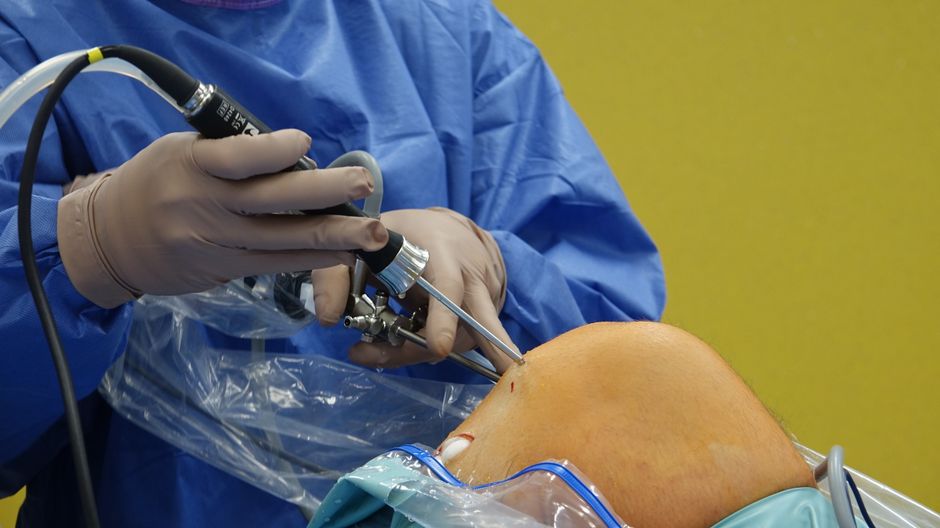
A joint injection is a medical procedure where a doctor uses a needle to place medicine directly inside a joint. Common joints treated this way include the knee, hip, shoulder, ankle, and wrist. The medicine goes right to the source of the pain, which can make it more effective than taking a pill that travels through your whole body first.
Most joint injections contain a corticosteroid, which is a strong anti-inflammatory medicine. Some also include a local anesthetic, which is a numbing medicine that can give faster, short-term relief. The whole procedure usually takes only a few minutes and is done right in a clinic setting. Many patients are surprised by how quick and manageable the process is.
How Do Joint Injections Reduce Inflammation?
Inflammation is your body’s natural response to injury or disease. When a joint is inflamed, the tissue inside becomes swollen, warm, and painful. In conditions like osteoarthritis or rheumatoid arthritis, this inflammation can become chronic, meaning it does not go away on its own. That constant swelling puts pressure on the nerves and tissues inside the joint, which is what causes so much pain.
Corticosteroids work by calming down the immune signals that cause inflammation. When injected directly into the joint, these medicines can reduce swelling in the lining of the joint called the synovium. With less swelling, there is less pressure on the surrounding nerves and tissues. This can lead to a meaningful reduction in pain and an improvement in how well you can move the joint.
It is important to understand that joint injections treat inflammation, but they do not cure the underlying condition. However, reducing inflammation can give your body a window of relief. During that time, many patients are better able to participate in physical therapy or daily activities, which can support longer-term improvement.
What Conditions Can Joint Injections Help?
Joint injections are commonly used to help manage several conditions that cause joint inflammation and pain. Your doctor can help you decide if this treatment is right for your specific situation after a full evaluation.
- Osteoarthritis — the most common type of arthritis, where the cartilage in joints wears down over time
- Rheumatoid arthritis — an autoimmune condition that causes ongoing joint inflammation
- Bursitis — inflammation of the small fluid-filled sacs that cushion the joints
- Tendinitis — inflammation of the tendons that connect muscle to bone near a joint
- Gout — a type of arthritis caused by a buildup of uric acid crystals in the joint
- Injury-related inflammation — pain and swelling from a joint injury that has not fully healed
Not every patient with these conditions will be a candidate for joint injections. A pain specialist will review your health history, imaging results, and symptoms before recommending any treatment. This careful evaluation helps make sure you receive care that is safe and right for you.
What Can You Expect During and After the Procedure?
Before the injection, your doctor will clean the skin over the joint and may apply a numbing agent to the area. This helps make the procedure more comfortable. Using careful technique, the doctor will guide the needle into the correct position inside the joint and slowly deliver the medicine. Some patients feel mild pressure or brief discomfort during this step, but serious pain during the procedure is uncommon.
After the injection, you may feel some soreness at the injection site for a day or two. It is usually recommended to rest the joint for a short period and avoid heavy activity right away. Some patients notice improvement within a few days, while others may take a week or two to feel the full effect. Results vary from person to person, and no outcome can be guaranteed.
Are Joint Injections Safe?
Joint injections are generally considered safe when performed by a trained medical professional. Like any procedure, they do carry some small risks, including temporary soreness, minor bleeding at the injection site, or in rare cases, infection. Your doctor will talk through the risks and benefits with you before any treatment begins.
Because corticosteroids can have side effects with repeated use, most doctors limit how often these injections are given in the same joint. Your care team will work with you to create a plan that balances relief with safety. Open communication with your provider about how you are feeling is always an important part of your care.
Finding the Right Care for Your Joint Pain
Living with joint pain can feel isolating and exhausting. But there are real, evidence-based options that may help you feel better and move more freely. The key is working with a knowledgeable care team that takes the time to truly understand your pain.
At Unity Pain Management in Modesto, CA, our team is here to listen and help you explore treatment options that fit your needs and your life. We work with most major insurance plans to make care as accessible as possible. If you think joint injections or another pain management approach might be right for you, reaching out for an evaluation is a great first step toward feeling more like yourself again.
References
- Deveza, Leon A. “Overview of the management of osteoarthritis.” UpToDate / National Institutes of Health. 2023.
- Firestein, Gary S. “Etiology and pathogenesis of rheumatoid arthritis.” NIH National Library of Medicine. 2022.
- Mayo Clinic Staff. “Cortisone shots.” Mayo Clinic. 2023.
- Stephens, Mark B., et al. “Musculoskeletal injections: a review of the evidence.” American Family Physician. 2008.
- International Association for the Study of Pain. “Terminology: Inflammation and Pain.” IASP. 2022.
Take back control of your life from pain.
Unity Pain Management offers personalized, evidence-based care in Modesto CA. In-person and telehealth options available. Most insurance accepted.
Call us at (350) 216-5774 — Unity Pain Management, Modesto CA
- Share
