
Joint Infection Risk After Injection | Unity Pain
- Home
- Joint Infection Risk After Injection | Unity Pain
Joint Infection Risk After Injection | Unity Pain
Understanding the Risk of Joint Infection After Injections
If you live with joint pain, you know how much it can take away from daily life. Simple things like walking to the mailbox, cooking dinner, or playing with your grandchildren can feel impossible. Joint injections are a helpful tool that many people use to find relief. But like any medical procedure, they do come with some risks. One of those risks is joint infection. Learning about this risk can help you feel more prepared and confident when talking with your doctor.
The good news is that serious joint infections after injections are rare when the procedure is done correctly by a trained provider. Still, knowing the warning signs and what to watch for can protect your health. This article will walk you through what you need to know in plain, simple terms.
What Is a Joint Injection?
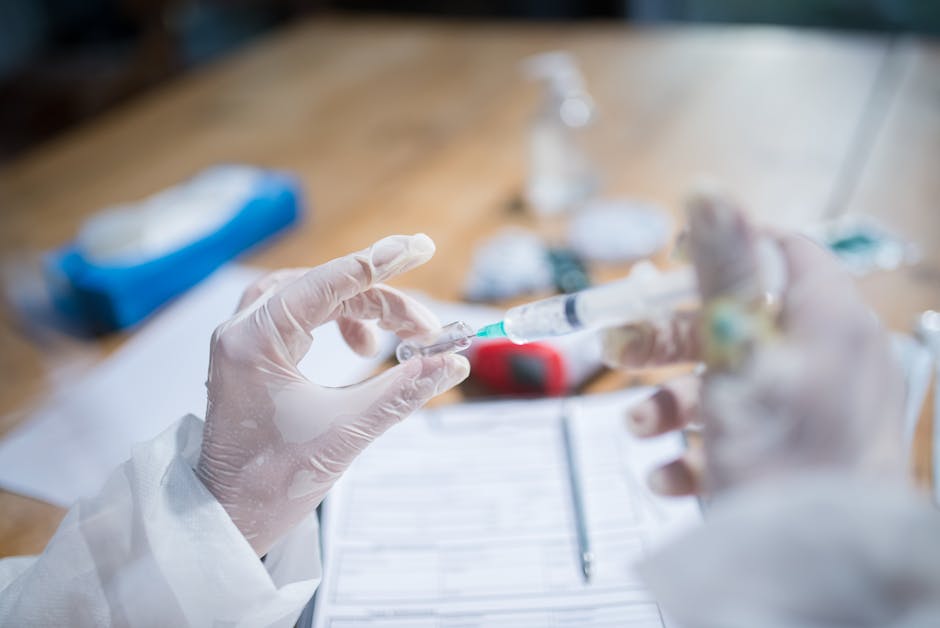
A joint injection is when a healthcare provider uses a small needle to place medicine directly into a joint. Common joints treated this way include the knee, hip, shoulder, and ankle. The medicine injected is often a corticosteroid, which helps reduce swelling and pain. Sometimes a numbing medicine like lidocaine is also used.
Joint injections can offer meaningful relief for conditions like osteoarthritis, rheumatoid arthritis, and bursitis. They are usually done in a clinic setting and take only a few minutes. Most people go home the same day and can return to light activity fairly quickly.
What Is Septic Arthritis and Why Does It Matter?
Septic arthritis is the medical name for a joint infection. It happens when bacteria or other germs get inside a joint and start to grow. This can cause serious damage to the joint if it is not treated quickly. In rare cases, infection can spread and become dangerous to overall health.
When septic arthritis happens after a joint injection, it is called iatrogenic septic arthritis — meaning it was caused by a medical procedure. Research published in medical journals suggests that this type of infection occurs in a very small number of cases, often estimated at fewer than 1 in every 10,000 injections when sterile technique is used properly. While rare, it is important to take it seriously.
The bacteria most often responsible is Staphylococcus aureus, which is commonly found on skin. This is one reason why keeping the injection site clean and sterile is so important during the procedure.
Warning Signs of Infection to Watch For
After any joint injection, some soreness and mild swelling is normal. This is often called a post-injection flare and usually goes away within a day or two. But there are warning signs that something more serious may be happening. Knowing the difference can help you get care quickly if you need it.
Signs of a possible joint infection include:
- Increasing pain that gets worse instead of better after 48 hours
- Redness that spreads around the joint
- Warmth and swelling that keeps getting worse
- Fever or chills
- The joint feeling stiff and hard to move
- Feeling generally unwell or very tired
If you notice any of these signs after a joint injection, do not wait. Contact your healthcare provider right away or go to an urgent care or emergency room. Early treatment of a joint infection is very important and can protect your joint from lasting damage.
How Providers Reduce Infection Risk
Trained medical providers follow careful steps to keep injections as safe as possible. These steps are called sterile technique. They include cleaning the skin with antiseptic solution, using sterile gloves and equipment, and never reusing needles or vials.
Providers also consider your overall health before giving an injection. Certain health conditions, like uncontrolled diabetes or a weakened immune system, may raise infection risk. If you have an active skin infection near the injection site, your provider will likely wait until it heals before proceeding. Being honest with your provider about your full health history helps them make the safest choice for you.
At Unity Pain Management in Modesto, CA, patient safety is taken seriously at every step of care. The clinical team follows proper sterile protocols to help reduce the chance of complications and make sure every procedure is as safe as possible.
Who May Be at Higher Risk?
Most people who receive joint injections do not develop infections. But some factors can raise the risk a little. Understanding your personal risk can help you and your doctor make the best plan together.
Factors that may increase infection risk include:
- Diabetes — High blood sugar can affect the body’s ability to fight infection
- Weakened immune system — From conditions like HIV or from medications like chemotherapy
- Obesity — Can make it harder to access the joint cleanly
- Prior joint replacement — Artificial joints can sometimes be more vulnerable to infection
- Active infection elsewhere in the body — Bacteria can travel through the bloodstream
None of these factors mean you cannot have a joint injection. They simply mean your provider should know about them so they can plan your care thoughtfully and safely.
What Happens If an Infection Is Detected?
If a joint infection is suspected, your doctor will likely order tests to confirm it. These may include a blood test or drawing fluid from the joint to check for bacteria. Treatment usually involves antibiotics to fight the infection. In some cases, the infected fluid needs to be drained from the joint. Most people recover fully with prompt treatment.
This is why following up with your provider after a joint injection matters. If something does not feel right, speaking up quickly gives you the best chance at a smooth recovery. You deserve to be heard, and your concerns are always worth sharing.
A Hopeful Path Forward
Living with chronic joint pain is exhausting, and it takes real courage to keep seeking help. Joint injections remain a safe and effective option for many people when done by trained providers using proper technique. The risk of infection is real but very small, and knowing the warning signs puts you in a much stronger position to protect yourself.
If you have questions about joint injections or want to explore pain management options with a compassionate team, Unity Pain Management in Modesto, CA welcomes patients with most insurance plans and also offers telehealth visits for added convenience. You do not have to face pain alone — help is available.
References
- Charalambous, Charalambos P., et al. “Intra-articular Corticosteroid Injection of the Hip for Osteoarthritis.” Journal of Bone and Joint Surgery. 2003.
- Margaretten, Mary E., et al. “An Evidence-Based Approach to the Diagnosis of Septic Arthritis.” Annals of Emergency Medicine. 2007.
- National Institute of Arthritis and Musculoskeletal and Skin Diseases. “Arthritis and Rheumatic Diseases.” National Institutes of Health. 2023.
- Mayo Clinic Staff. “Septic Arthritis.” Mayo Clinic. 2023.
- Wammack, Ryan, and Laith Jazrawi. “Complications of Joint Injections.” American Journal of Orthopedics. 2008.
Take back control of your life from pain.
Unity Pain Management offers personalized, evidence-based care in Modesto CA. In-person and telehealth options available. Most insurance accepted.
Call us at (350) 216-5774 — Unity Pain Management, Modesto CA
- Share
