
Trigger Finger Injection Treatment | Unity Pain
- Home
- Trigger Finger Injection Treatment | Unity Pain
Trigger Finger Injection Treatment | Unity Pain
When Your Finger Gets Stuck: Understanding Trigger Finger
If your finger catches, locks, or snaps when you try to bend or straighten it, you are not alone. This condition is called trigger finger, and it can make simple daily tasks feel frustrating and painful. Buttoning a shirt, holding a cup of coffee, or typing on a keyboard can become a real challenge. Many people live with this discomfort for months before learning there are helpful treatment options available.
Living with trigger finger can wear you down over time. The pain and stiffness are not just physical — they can affect your mood, your sleep, and your ability to do the things you love. The good news is that trigger finger is a well-understood condition, and there are treatments that may bring meaningful relief. Understanding what is happening in your hand is a great first step toward feeling better.
What Is Trigger Finger?
Trigger finger happens when a tendon in your finger becomes irritated and swollen. Tendons are the tough cords that connect your muscles to your bones. Each tendon in your finger runs through a small tunnel called a tendon sheath. When the tendon swells, it has a hard time sliding smoothly through that tunnel. This causes the catching or locking feeling that gives trigger finger its name.
In mild cases, the finger may just feel stiff, especially in the morning. In more serious cases, the finger can become fully locked in a bent position and may need to be gently straightened with your other hand. The ring finger and thumb are affected most often, but any finger can develop this problem. Trigger finger is also known by its medical name, stenosing tenosynovitis.
Certain people are more likely to develop trigger finger. Those with diabetes, rheumatoid arthritis, or jobs and hobbies that require repeated gripping are at higher risk. Women are also more commonly affected than men. However, trigger finger can happen to anyone, and it does not mean you did something wrong.
How Is Trigger Finger Diagnosed?
A doctor can usually diagnose trigger finger by listening to your symptoms and examining your hand. There is typically no need for X-rays or scans. Your provider will gently feel along your palm and finger to check for tenderness or a small bump near the base of the finger. They will also ask you to open and close your hand so they can watch how your finger moves.
It is important to talk with a medical professional before starting any treatment. Other conditions, such as arthritis or a cyst, can sometimes cause similar symptoms. A proper evaluation helps make sure you receive the right care for your specific situation. Never try to self-diagnose or force a locked finger without guidance from a healthcare provider.
Corticosteroid Injections for Trigger Finger
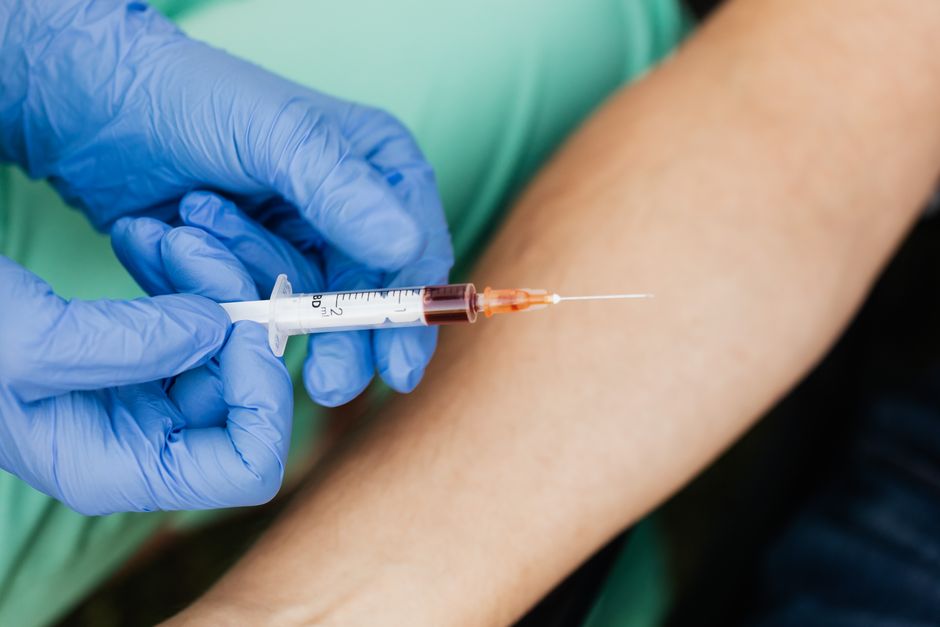
One of the most common treatments for trigger finger is a corticosteroid injection. A corticosteroid is a type of anti-inflammatory medicine. When injected near the affected tendon sheath, it can help reduce swelling and allow the tendon to move more freely again. This is often done right in a clinic office and takes only a few minutes.
Many people experience improvement in their symptoms after one or two injections. However, results vary from person to person, and injections do not work the same way for everyone. Some people may need more than one injection over time. Your provider will talk with you about what to expect based on your specific situation and health history.
Corticosteroid injections are generally well tolerated. Possible side effects can include temporary soreness at the injection site, skin discoloration, or a brief flare of pain in the first day or two. People with diabetes may notice a short-term rise in blood sugar after a corticosteroid injection, so it is important to let your provider know about any health conditions you have before treatment.
What to Expect During and After the Injection
Before the injection, your provider will clean the area and may use a small amount of local anesthetic to numb the skin. The injection itself is typically quick. Most patients describe feeling mild pressure or a brief stinging sensation. The whole process usually takes less than 15 minutes from start to finish.
After the injection, you may be asked to rest your hand for the remainder of the day. Some soreness is normal for the first 24 to 48 hours. Applying ice to the area can help with any swelling or discomfort. Your provider will give you specific instructions to follow at home and let you know what signs to watch for that might need a follow-up call.
Improvement may not happen right away. For some people, it takes a few days to a week before they notice a real difference. Your provider will schedule a follow-up to check on your progress and decide if any additional treatment is needed. Open communication with your care team is key to getting the best possible outcome.
Other Treatment Options to Consider
Trigger finger injections are often a first-line treatment, but they are not the only option. Splinting the finger at night can help reduce irritation by keeping it still while you sleep. Physical therapy exercises may also be recommended to improve flexibility and strengthen the surrounding muscles. For mild cases, simply modifying activities that strain the hand can sometimes bring relief on its own.
If injections and other conservative treatments do not provide enough relief, a minor surgical procedure called a trigger finger release may be discussed. This outpatient procedure involves opening the tight part of the tendon sheath so the tendon can move freely. Surgery is generally considered when other options have not worked, and your provider will help you weigh the benefits and risks carefully.
At Unity Pain Management in Modesto, CA, our team offers trigger point and joint injections as part of a broader, compassionate approach to pain care. We work with most insurance plans and can help you explore which treatment options may be right for your individual needs. You deserve a care team that listens and takes your pain seriously.
Taking the Next Step Toward Relief
Trigger finger can be a frustrating condition, but it is treatable. Whether you have been dealing with symptoms for a few weeks or many months, it is never too late to seek help. A proper evaluation by a qualified pain management provider can open the door to treatments that may significantly improve your quality of life.
If you are in the Modesto, CA area and are struggling with finger pain, stiffness, or locking, consider reaching out to Unity Pain Management. We offer telehealth visits for your convenience and accept many insurance plans. You do not have to keep pushing through the pain on your own — help is available, and support is closer than you think.
References
- Makkouk, A.H., Oetgen, M.E., Swigart, C.R., and Dodds, S.D. “Trigger Finger: Etiology, Evaluation, and Treatment.” Current Reviews in Musculoskeletal Medicine. 2008.
- Akhtar, S., Bradley, M.J., Quinton, D.N., and Burke, F.D. “Management and Referral for Trigger Finger/Thumb.” BMJ. 2005.
- Peters-Veluthamaningal, C., van der Windt, D.A., Winters, J.C., and Meyboom-de Jong, B. “Corticosteroid Injection for Trigger Finger in Adults.” Cochrane Database of Systematic Reviews. 2009.
- National Institute of Arthritis and Musculoskeletal and Skin Diseases. “Trigger Finger.” National Institutes of Health. 2023.
- Mayo Clinic Staff. “Trigger Finger.” Mayo Clinic. 2023.
Take back control of your life from pain.
Unity Pain Management offers personalized, evidence-based care in Modesto CA. In-person and telehealth options available. Most insurance accepted.
Call us at (350) 216-5774 — Unity Pain Management, Modesto CA
- Share
