
Hip Labral Tear: Pain Management Options | Unity Pain
- Home
- Hip Labral Tear: Pain Management Options | Unity Pain
Hip Labral Tear: Pain Management Options | Unity Pain
Living With Hip Labral Tear Pain
If you have been told you have a hip labral tear, you may be feeling frustrated, confused, or even a little scared. Hip pain can make it hard to walk, sit, sleep, or enjoy the things you love. You are not alone. Many people live with this kind of pain every day, and the good news is that there are real options to help you feel better and move more freely.
Understanding your condition is the first step toward managing it. A hip labral tear can cause deep, aching pain in the groin or hip area, a clicking or locking feeling in the joint, and stiffness that makes simple movements harder. Learning what is happening inside your hip — and what can be done about it — can help you feel more in control of your care.
What Is a Hip Labral Tear?
Your hip is a ball-and-socket joint. The labrum is a ring of soft tissue that lines the edge of the hip socket. It acts like a seal, keeping the ball of your thigh bone snugly in place. It also cushions the joint and helps it move smoothly. When this tissue gets torn, it can no longer do its job properly, and pain and instability can follow.
Labral tears can happen from a sudden injury, such as a fall or a sports accident. They can also develop slowly over time from repeated movements or from structural problems in the hip, like femoroacetabular impingement (FAI), where the bones are shaped in a way that causes them to rub together. Some people do not even know they have a tear until imaging tests, like an MRI, reveal it.
Common symptoms include:
- Pain in the groin, hip, or buttock area
- A clicking, locking, or catching feeling in the hip
- Stiffness or limited range of motion
- Pain that gets worse with sitting for long periods or certain movements
How Is a Hip Labral Tear Diagnosed?
Getting an accurate diagnosis is very important. Your doctor will start with a physical exam, checking how your hip moves and where it hurts. They may also ask about your history of injuries, sports activities, or any jobs that put stress on your hips. This helps build a full picture of what might be causing your pain.
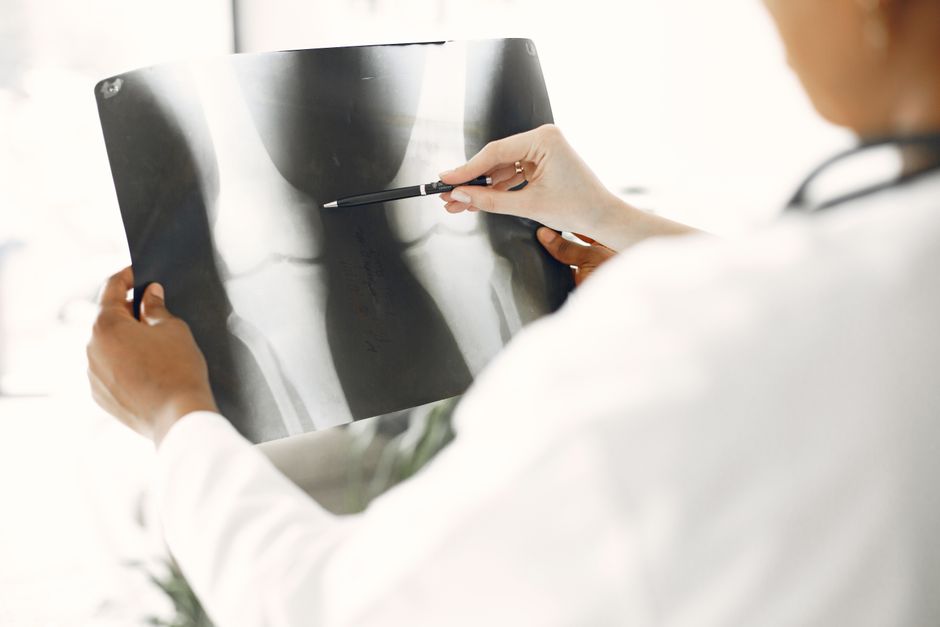
Imaging tests are usually needed to confirm a labral tear. A standard X-ray can show if there are bone problems like FAI, but an MRI — especially one done with contrast dye injected into the joint (called an MRA or MR arthrogram) — gives a much clearer picture of the soft tissue and can better show a labral tear. A proper diagnosis helps your care team create the right treatment plan for you.
Non-Surgical Pain Management Options
Many people with hip labral tears find real relief without surgery. Non-surgical options focus on reducing pain, calming inflammation, and strengthening the muscles that support the hip. These approaches are often tried first and can be very effective, especially when started early and done consistently.
Physical therapy is one of the most important non-surgical tools. A skilled physical therapist can teach you exercises that take pressure off the labrum, strengthen the muscles around your hip, and improve how you move. Therapy may also include stretching, manual therapy techniques, and guidance on activity modification — meaning small changes to how you do everyday tasks to protect your hip.
Anti-inflammatory medications can also help manage pain and swelling. Nonsteroidal anti-inflammatory drugs (NSAIDs) are commonly used for this purpose. Some clinics also offer Toradol injections, a powerful anti-inflammatory given as a shot, which can provide faster, more targeted relief. Always talk with your provider before starting any medication to make sure it is safe for you.
Joint Injections for Hip Labral Tear Pain
When pain is moderate to severe or is not responding well to medications or therapy alone, joint injections can be a helpful next step. A corticosteroid injection placed directly into the hip joint can reduce inflammation and provide significant pain relief. This relief may last for weeks or even months in some people, giving you a window of time to work more comfortably in physical therapy.
Joint injections are typically done using imaging guidance — like fluoroscopy or ultrasound — to make sure the medication goes exactly where it needs to go. The procedure is usually quick and done in an outpatient setting. While injections do not repair the torn tissue, they can make a meaningful difference in daily comfort and function for many patients.
At Unity Pain Management in Modesto, CA, the team offers joint injections as part of a broader, personalized pain management plan. They work with most insurance plans, making it easier to access the care you need without added financial stress.
When Surgery Might Be Considered
For some people, non-surgical treatments do not provide enough relief, or the tear is too large or complex to heal with conservative care alone. In these cases, a referral to an orthopedic surgeon for a procedure called hip arthroscopy may be discussed. This is a minimally invasive surgery where a surgeon repairs or removes the damaged labral tissue through small incisions.
Surgery is not the right choice for everyone, and it is typically considered only after non-surgical options have been tried thoroughly. The decision to pursue surgery should be made carefully, in partnership with your medical team, based on your symptoms, imaging results, overall health, and personal goals.
Building a Long-Term Plan for Hip Health
Managing a hip labral tear is often an ongoing process rather than a one-time fix. Staying consistent with physical therapy, protecting your hip during daily activities, and maintaining a healthy weight can all help reduce stress on the joint over time. Small, steady efforts often add up to big improvements in how you feel and move.
If you are struggling with hip pain and are not sure where to turn, reaching out to a pain management specialist is a great place to start. Unity Pain Management offers comprehensive evaluations, medication management, injections, physical therapy referrals, and even telehealth visits for added convenience. You deserve care that listens to you and works with your life.
Living with hip labral tear pain is hard, but you do not have to figure it out alone. With the right support and the right plan, better days are possible.
References
- Groh, Michelle M., and Joseph Herrera. “A Comprehensive Review of Hip Labral Tears.” Current Reviews in Musculoskeletal Medicine. 2009.
- Physiopedia Contributors. “Hip Labral Tear.” Physiopedia. 2023.
- National Institute of Arthritis and Musculoskeletal and Skin Diseases. “Hip Problems.” National Institutes of Health (NIH). 2023.
- Waheed, Muzaffer, et al. “Femoroacetabular Impingement.” StatPearls, National Library of Medicine (NIH). 2023.
- Mayo Clinic Staff. “Hip Labral Tear — Diagnosis and Treatment.” Mayo Clinic. 2023.
Take back control of your life from pain.
Unity Pain Management offers personalized, evidence-based care in Modesto CA. In-person and telehealth options available. Most insurance accepted.
Call us at (350) 216-5774 — Unity Pain Management, Modesto CA
- Share
