
What Is a Medial Branch Block? | Unity Pain Modesto
- Home
- What Is a Medial Branch Block? | Unity Pain Modesto
What Is a Medial Branch Block? | Unity Pain Modesto
You Deserve Answers — And Relief
If you have been living with deep, aching back or neck pain, you know how exhausting it can be. You may have tried stretching, pain medications, or heat packs — only to feel the same way day after day. When the pain keeps coming back, it can feel like no one really knows where it is coming from. A medial branch block might be one important step toward finally getting that answer. It is a procedure that can both help find the source of your pain and offer real relief at the same time.
Learning about new medical terms can feel overwhelming, especially when you are already dealing with so much. This article will explain what a medial branch block is, how it works, and what you might expect if your doctor suggests one. Our goal is to give you clear, simple information so you feel more confident asking questions and making decisions about your care.
What Is a Medial Branch Block?
A medial branch block is an injection used to help find out if small nerves in your spine are causing your pain. These small nerves are called medial branch nerves. They carry pain signals from the facet joints — the small joints that connect the bones of your spine together. When these joints become irritated or worn down, they can cause pain in your neck, mid-back, or lower back.
During the procedure, a doctor carefully injects a numbing medicine near those medial branch nerves. If your pain goes away or gets much better after the injection, that tells your doctor that those nerves were likely the source of your pain. This makes a medial branch block both a diagnostic tool — meaning it helps find the problem — and a treatment that may bring temporary relief.
What Are Facet Joints and Why Do They Hurt?
Your spine is made up of many bones called vertebrae. Facet joints are the small joints on the back side of the spine that help connect each bone to the one above and below it. They allow you to bend, twist, and move. Like any joint in your body, they can become inflamed, arthritic, or injured over time.
When facet joints are irritated, the pain they cause can be hard to pinpoint. It often feels like a dull, deep ache that spreads into your shoulders, buttocks, or thighs. It may get worse when you lean backward or stand for a long time. Many people describe it as a stiffness that never fully goes away. Because this type of pain can look like other conditions, a medial branch block helps confirm whether the facet joint nerves are truly the source.
What Happens During the Procedure?
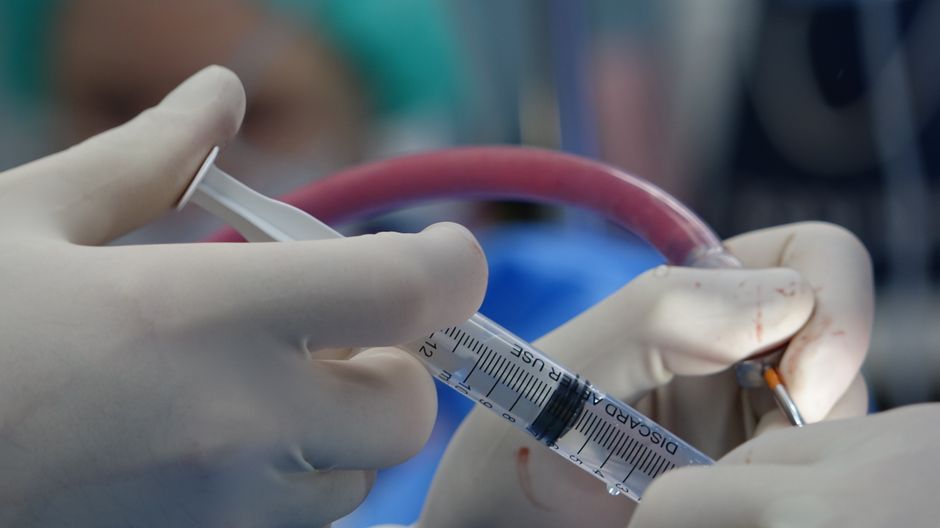
A medial branch block is usually done in a clinic or outpatient setting. The whole process typically takes less than an hour. You will lie on a table, and the skin over the injection area will be cleaned and numbed so you feel as comfortable as possible. The doctor uses a special type of live X-ray called fluoroscopy to guide the needle to exactly the right spot near the medial branch nerves.
Once the needle is in place, the doctor injects a local anesthetic — a numbing medicine — near the nerve. Some doctors also add a small amount of steroid to help reduce inflammation. After the injection, you may be asked to do some movements or activities that normally cause your pain, so your doctor can see how much relief you feel. Most people go home the same day and can return to light activity fairly quickly, though your doctor will give you specific instructions.
Is a Medial Branch Block Safe?
Like any medical procedure, a medial branch block carries some small risks. These can include temporary soreness at the injection site, a short-term increase in pain before it gets better, or, very rarely, infection or nerve irritation. Serious complications are uncommon when the procedure is done by a trained specialist using proper imaging guidance.
It is important to talk honestly with your doctor before the procedure. Let them know about any medications you take, especially blood thinners, and any allergies you have. Your doctor will review your medical history to make sure this procedure is a safe and appropriate option for you. Never hesitate to ask questions — a good care team will always take the time to address your concerns.
What Comes After a Medial Branch Block?
The results of a medial branch block help guide your next steps. If you get significant relief from the injection, your doctor may recommend a follow-up procedure called radiofrequency ablation (also called radiofrequency neurotomy). This procedure uses heat to interrupt the pain signals from those same nerves and can provide longer-lasting relief — sometimes for many months.
If the block does not provide much relief, that information is also valuable. It tells your doctor to look elsewhere for the source of your pain, so you are not left guessing. Either way, the goal is to build a clear picture of what is causing your pain so your care team can create a plan that actually works for you. Pain care is rarely one-size-fits-all, and understanding your pain is a powerful first step.
Getting Evaluated in Modesto
If you think a medial branch block might be right for you, the most important first step is a proper evaluation by a pain specialist. At Unity Pain Management in Modesto, CA, the team works with patients dealing with back pain, neck pain, and other chronic pain conditions. They take a thorough, personalized approach to finding the right diagnosis before recommending any procedure.
Unity Pain Management is insurance-friendly and offers multiple options for care, including telehealth visits if getting to the clinic is difficult. You do not have to keep living with unanswered questions about your pain. Reaching out to a qualified team is a brave and important move — and you deserve support every step of the way.
There Is Hope on the Other Side of Pain
Chronic back and neck pain can take so much away from you — sleep, hobbies, time with the people you love. A medial branch block will not work for everyone, and no single procedure can guarantee results. But for many people, it is a meaningful step toward understanding their pain and finding real relief. Knowledge is power, and working with a skilled care team puts that power in your hands.
You have already taken a step today by learning more about your options. Keep asking questions, keep advocating for yourself, and know that better days are possible.
References
- Bogduk, Nikolai. “Practice Guidelines for Spinal Diagnostic and Treatment Procedures.” International Spine Intervention Society. 2004.
- Cohen, Steven P., and Srinivasa N. Raja. “Pathogenesis, Diagnosis, and Treatment of Lumbar Zygapophysial (Facet) Joint Pain.” Anesthesiology. 2007.
- Manchikanti, Laxmaiah, et al. “An Update of Comprehensive Evidence-Based Guidelines for Interventional Techniques in Chronic Spinal Pain.” Pain Physician. 2013.
- National Institute of Neurological Disorders and Stroke. “Low Back Pain Fact Sheet.” National Institutes of Health. 2023.
- Mayo Clinic Staff. “Back Pain — Diagnosis and Treatment.” Mayo Clinic. 2023.
Take back control of your life from pain.
Unity Pain Management offers personalized, evidence-based care in Modesto CA. In-person and telehealth options available. Most insurance accepted.
Call us at (350) 216-5774 — Unity Pain Management, Modesto CA
- Share
