
Pain Neuroplasticity Explained | Unity Pain Modesto
- Home
- Pain Neuroplasticity Explained | Unity Pain Modesto
Pain Neuroplasticity Explained | Unity Pain Modesto
When Pain Takes on a Life of Its Own
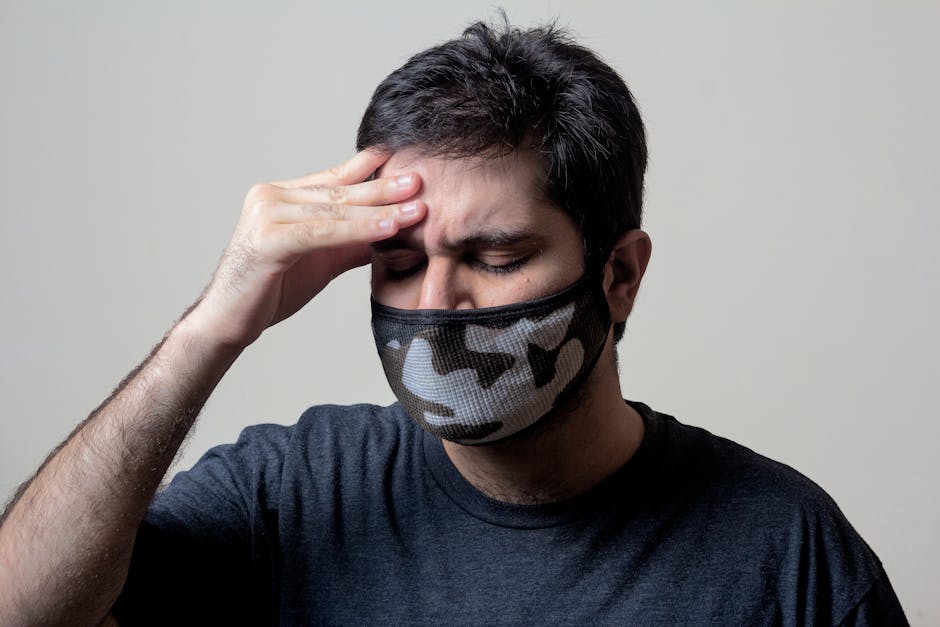
If you have lived with chronic pain for a long time, you may have noticed something confusing. The pain keeps coming even when doctors say your injury has healed. Or the pain feels bigger than it should be for the size of your injury. You are not imagining things. You are not being dramatic. There is a real reason this happens, and it has to do with how your brain and nervous system can change over time. This change is called pain neuroplasticity, and understanding it may help you make more sense of what your body is going through.
Chronic pain is one of the hardest things a person can face. It touches every part of life — sleep, work, relationships, and mood. Many people feel frustrated when treatments that should work do not seem to help much. Learning about pain neuroplasticity will not fix everything, but it can be a powerful first step toward understanding your pain and finding the right kind of help.
What Is Neuroplasticity?
Your brain is not fixed and rigid. It is always changing and rewiring itself based on your experiences. This ability to change is called neuroplasticity. When you learn a new skill, your brain forms new connections. When you stop using a skill, those connections weaken. This is normal and healthy brain behavior.
Neuroplasticity can also happen in your pain system. When your body is hurt, your nervous system sends pain signals to warn you. That is a good thing — it protects you from further injury. But sometimes the nervous system does not shut off those signals once the danger is gone. Instead, it can actually become more sensitive over time. The brain and spinal cord start to act as if pain is the new normal, even when there is no ongoing tissue damage.
How Chronic Pain Changes the Nervous System
When pain signals fire over and over again, the pathways that carry those signals can get stronger. Think of it like a trail through tall grass. The more you walk it, the more worn and easy to follow it becomes. In the same way, repeated pain signals can make the nervous system quicker to react and more sensitive. Scientists call this central sensitization.
With central sensitization, the nervous system turns up the volume on pain. Things that should not hurt — like a light touch — may become painful. Things that are only mildly uncomfortable can feel very severe. The brain may also start producing pain signals without any clear physical trigger at all. This is not a mental weakness. It is a physical change in how the nervous system processes information.
Research has shown that people with conditions like fibromyalgia, low back pain, and headaches often show signs of central sensitization. Their nervous systems have been rewired by long-term pain exposure. Knowing this helps explain why some people need different kinds of treatment — not just treatment aimed at the original injury, but treatment that also addresses how the nervous system has changed.
Signs That Neuroplastic Pain May Be Involved
There are some common signs that pain neuroplasticity and central sensitization may be playing a role in your chronic pain. These include:
- Pain that seems to spread beyond the original injury site
- Pain that is triggered by light touch, temperature changes, or sounds
- Pain that continues long after an injury should have healed
- Pain that moves around or changes location
- Pain that gets worse with stress, poor sleep, or anxiety
- Feeling exhausted, foggy, or mentally drained alongside the pain
If any of these sound familiar, you are not alone. Many people living with chronic pain experience these exact patterns. The important thing to remember is that these are signs of real physical changes in the nervous system — not signs that the pain is “all in your head.” A thorough evaluation by a pain specialist can help determine what is driving your symptoms and what kinds of treatment may help.
Can the Nervous System Heal and Change Back?
Here is the hopeful part. Because neuroplasticity works in both directions, the nervous system can also learn to reduce pain signals over time. Just as it can become more sensitive, it can also become less sensitive with the right approaches. This is one of the most encouraging areas of pain science today.
Treatments that target the nervous system — not just the injury — are showing real promise. These include certain medications, physical therapy focused on graded movement, mindfulness practices, cognitive behavioral therapy, and carefully chosen interventional procedures. No single treatment works for everyone, and results vary from person to person. But the idea that the nervous system can change in a positive direction gives many people real hope.
Working with a care team that understands pain neuroplasticity is important. When providers understand how the nervous system changes with chronic pain, they can build a more complete treatment plan that addresses both the physical source of pain and the nervous system changes that keep it going.
How Pain Management Care Can Help
Getting the right support is a key part of managing chronic pain that involves neuroplastic changes. A pain management clinic can offer a range of tools to help calm an overactive nervous system and improve quality of life. Options may include medication management to help reduce nerve sensitivity, trigger point injections to release muscle tension, joint injections to reduce local inflammation, and referrals for physical therapy or spine procedures when appropriate.
At Unity Pain Management in Modesto, CA, the care team works to understand the full picture of your pain — not just where it hurts, but how your nervous system may have changed over time. The clinic is insurance-friendly and also offers telehealth visits for patients who find it difficult to travel. If you have been struggling to get answers about your chronic pain, reaching out to a knowledgeable pain management team is a worthwhile step.
You Deserve to Be Heard and Helped
Living with chronic pain that others cannot see or fully understand is exhausting. It can make you feel alone, dismissed, and hopeless. But pain neuroplasticity research is changing how doctors understand chronic pain — and that means better, more compassionate care is becoming more available every day.
Your pain is real. The changes in your nervous system are real. And while there are no guarantees, many people do find meaningful relief when they get the right evaluation and a treatment plan built around their specific needs. You deserve care that takes your whole experience seriously. Take the next step and talk to a pain specialist who can help you move forward.
References
- Woolf, Clifford J. “Central Sensitization: Implications for the Diagnosis and Treatment of Pain.” Pain. 2011.
- Moseley, G. Lorimer, and David S. Butler. “Fifteen Years of Explaining Pain: The Past, Present, and Future.” Journal of Pain. 2015.
- National Institute of Neurological Disorders and Stroke. “Pain: Hope Through Research.” National Institutes of Health. 2023.
- International Association for the Study of Pain. “IASP Terminology: Central Sensitization.” IASP. 2017.
- Flor, Herta, and Niels Birbaumer. “Acquisition of Chronic Pain: Psychophysiological Mechanisms.” APS Journal. 1994.
Take back control of your life from pain.
Unity Pain Management offers personalized, evidence-based care in Modesto CA. In-person and telehealth options available. Most insurance accepted.
Call us at (350) 216-5774 — Unity Pain Management, Modesto CA
- Share
